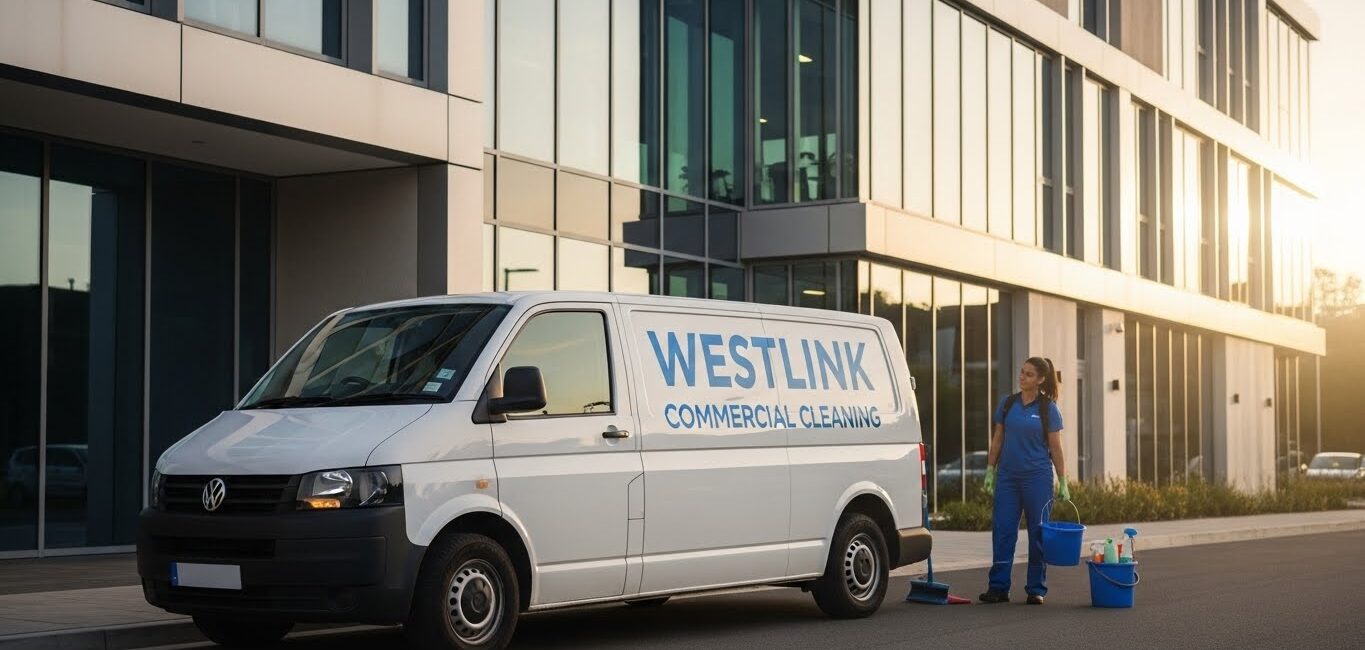
Safety Benefits of Proper Builders Initial and Final Cleaning
Construction sites are inherently hazardous environments. Even after the last trade leaves and the tools are packed away, risks often remain hidden beneath layers of dust, debris, and residue. This is where a builders initial and final clean plays a critical role—not just for appearance, but for health, safety, and compliance.
Unlike standard cleaning, this two-stage post-construction process is designed to remove physical hazards, improve air quality, and prepare a site for safe occupancy. Whether it’s a residential build or a commercial development, proper builders cleaning significantly reduces the risk of accidents and long-term health issues.
Understanding Builders Initial and Final Cleaning
A builders initial and final clean is a structured, safety-focused post-construction cleaning process.
Initial Clean (Rough or Safety Clean)
This stage occurs before finishing trades complete their work. It focuses on:
Clearing construction debris
Removing loose materials
Eliminating dust buildup
Creating safe walkways
Reducing trip and puncture hazards
This phase is essential for maintaining a safer working environment for electricians, painters, tilers, and inspectors.
Final Clean (Handover or Detail Clean)
The final clean occurs after all construction work is complete. It involves:
Detailed surface sanitisation
Glass and fixture polishing
Removal of adhesives and residues
Fine dust extraction
Deep floor cleaning
This stage ensures the site is safe, hygienic, and ready for human occupancy.
Why Safety Should Be the Priority
Many people associate builders cleaning with visual appeal—but the real value lies in risk reduction.
Construction residues contain:
Fine silica dust
Sharp fragments
Chemical residues
Slippery materials
Hidden trip hazards
Without proper cleaning, these dangers remain embedded in surfaces, air systems, and high-traffic zones.
Key Safety Benefits of Builders Initial and Final Cleaning
1. Prevents Physical Injuries
Loose screws, nails, timber offcuts, and packaging materials can cause serious injuries. Proper builders cleaning removes these risks before people enter the space.
Slip hazards caused by dust layers, paint overspray, and residue are also eliminated through targeted surface cleaning.
2. Reduces Respiratory Health Risks
Construction dust contains micro-particles that remain airborne long after building work finishes. These particles can irritate lungs, trigger asthma, and worsen allergies.
Professional post-construction cleaning uses high-filtration equipment to extract fine dust from:
Floors
Vents
Window tracks
Corners
Ceiling edges
This significantly improves indoor air quality.
3. Prevents Chemical Exposure
Residues from adhesives, solvents, sealants, and paints often remain on surfaces. Without proper removal, these substances can cause skin irritation, headaches, and long-term exposure risks.
Final-stage builders cleaning includes chemical-safe removal and neutralisation of these residues.
4. Eliminates Hidden Trip Hazards
Uneven debris, plastic wrap, protective films, and dust-coated surfaces create dangerous walking conditions. Builders cleaning restores traction and visibility on all walking surfaces.
5. Supports Compliance and Handover Safety
Many councils, developers, and certifiers require properties to meet hygiene and safety standards before occupancy. Builders cleaning helps meet:
Workplace health regulations
Property handover requirements
Insurance safety conditions
Public access standards
6. Protects Vulnerable Occupants
Children, elderly individuals, and people with respiratory sensitivities are more vulnerable to construction residues. A thorough builders clean ensures the space is safe for all users.
How the Two-Stage Process Enhances Safety
| Stage | Safety Focus |
|---|---|
| Initial Clean | Removes bulk hazards, clears pathways, reduces injury risks |
| Final Clean | Eliminates fine dust, chemical residue, and microbial buildup |
Together, these stages create a layered safety system—one addressing immediate dangers, the other preventing long-term health issues.
Why DIY Cleaning Isn’t Enough
Most homeowners underestimate the complexity of post-construction cleaning. Household vacuums and surface sprays are not designed to handle:
Construction-grade dust
Silica particles
Adhesive residues
Trade waste
Embedded debris
Professional builders cleaning uses commercial-grade equipment and safety protocols specifically designed for post-build environments.
Final Thoughts
The safety benefits of proper builders initial and final cleaning go far beyond visual appeal. This process protects people, prevents injuries, improves air quality, and ensures regulatory compliance.
A construction project is not truly complete until the environment is safe to occupy—and that safety begins with professional, structured, and thorough cleaning.
Frequently Asked Questions (FAQs)
1. Why is builders cleaning important for safety?
Builders cleaning removes sharp debris, dust, chemical residue, and slip hazards that can cause injuries or health issues after construction.
2. Is builders cleaning different from standard cleaning?
Yes. It targets construction-related hazards like fine dust, adhesives, residue, and embedded debris—things regular cleaning does not address.
3. Can skipping the initial clean create risks?
Absolutely. Without an initial clean, workers can trip over debris, inhale dust, and work in unsafe conditions.
4. Does builders cleaning improve air quality?
Yes. It removes fine dust particles from vents, surfaces, and hidden spaces that can affect respiratory health.
5. Is builders cleaning legally required?
In many cases, yes—especially for commercial projects, rentals, and properties requiring certification before occupancy.
6. How long does a safety-focused builders clean take?
It depends on project size, but proper cleaning usually takes several hours to multiple days for large builds.