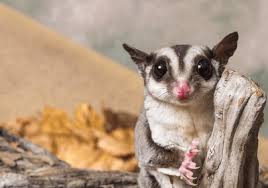
Complete Care Guide for Pocket Pets Health, Nutrition, and Veterinary Support
Michel
March 4, 2026

Caring for Pocket Pets requires dedication, knowledge, and the right veterinary partnership. These small companions may be tiny in size, but they have unique needs that demand specialized attention. From nutrition and habitat setup to preventive healthcare and emergency treatment, responsible ownership ensures a long and healthy life for your beloved companion.
At South West Animal Hospital, veterinary professionals understand that small animals need gentle handling, tailored medical care, and close monitoring. Whether you own a hamster, guinea pig, rabbit, gerbil, or ferret, proper guidance makes all the difference in maintaining overall wellness.
This comprehensive guide explores everything pet owners need to know about Pocket Pets, including diet, housing, preventive care, behavioral health, and when to seek professional veterinary assistance.
Pocket Pets are small mammals typically kept as companion animals due to their manageable size and affectionate personalities. Despite their small stature, they have complex biological and behavioral needs. Rabbits require fiber-rich diets for digestive health, guinea pigs need daily vitamin C, and hamsters thrive in stimulating environments.
Because these animals are prey species by nature, they often hide signs of illness. This makes early detection and routine health evaluations especially important. Owners must be attentive to changes in appetite, activity level, grooming habits, and breathing patterns.
Providing species-appropriate care ensures comfort, reduces stress, and promotes longevity. Small mammals can live several years when properly cared for, making informed ownership essential.
Nutrition plays a foundational role in the health of Pocket Pets. Each species has specific dietary requirements that must be met to prevent malnutrition and disease.
Rabbits and guinea pigs depend heavily on high-quality hay for digestive function and dental health. Pelleted food should supplement not replace fresh vegetables and hay. Hamsters and gerbils require balanced seed mixes combined with protein sources and fresh produce in moderation.
Fresh, clean water must always be available. Dehydration can quickly become life-threatening in small animals. Avoid sugary treats and processed foods that can lead to obesity or digestive upset.
A proper feeding routine not only supports physical health but also encourages natural foraging behaviors, improving mental stimulation and reducing boredom.
Creating a safe and stimulating habitat is vital for Pocket Pets. Proper enclosure size, bedding materials, temperature control, and enrichment activities all contribute to overall well-being.
Cages should provide adequate space for movement and exercise. Wire flooring should be avoided, as it can injure delicate feet. Soft, absorbent bedding helps maintain cleanliness and comfort.
Environmental enrichment prevents stress and destructive behaviors. Tunnels, chew toys, hideouts, and climbing platforms allow small animals to express natural instincts. Rabbits benefit from supervised time outside their enclosure in a secure area.
When searching for a reliable Small Animal Vet Near Me, pet owners should prioritize clinics experienced in treating small mammals to ensure expert guidance on housing and preventive care.
Routine veterinary care is one of the most important responsibilities of owning Pocket Pets. Preventive healthcare includes wellness exams, dental checks, parasite screening, and nutritional consultations.
Small mammals are prone to dental overgrowth, which can lead to pain, weight loss, and infections. Regular examinations help identify these problems early. Parasite prevention is equally important, especially for animals housed outdoors or in multi-pet households.
Annual or biannual checkups allow veterinarians to track growth, monitor weight, and assess overall health. South West Animal Hospital offers specialized care for small animals, ensuring they receive gentle handling and precise diagnostics tailored to their needs.
Preventive care significantly reduces emergency visits and promotes longer, healthier lives.
Although small in size, Pocket Pets can experience a range of medical issues. Respiratory infections, dental disease, gastrointestinal stasis, and skin conditions are among the most common concerns.
Rabbits frequently suffer from gastrointestinal stasis, a potentially life-threatening slowdown of the digestive system. Guinea pigs may develop scurvy due to vitamin C deficiency. Hamsters are susceptible to wet tail disease, which requires immediate medical attention.
Recognizing early symptoms such as lethargy, abnormal droppings, sneezing, or changes in appetite can make a critical difference. Because these animals hide illness, even subtle behavioral shifts warrant veterinary evaluation.
Prompt treatment improves recovery outcomes and minimizes complications.
Proper grooming is essential for maintaining the health of Pocket Pets. While many small mammals groom themselves, they still require assistance to prevent matting, overgrown nails, and skin infections.
Long-haired rabbits and guinea pigs need regular brushing to prevent tangles and hair ingestion. Nail trimming should be done carefully to avoid injury. Ears and teeth should be inspected routinely for abnormalities.
Clean habitats reduce the risk of bacterial infections and parasites. Bedding should be replaced frequently, and enclosures disinfected with pet-safe products.
Maintaining hygiene not only prevents disease but also strengthens the bond between owner and pet through gentle handling and interaction.
Emotional well-being is just as important as physical health for Pocket Pets. Many small mammals are social creatures that benefit from companionship, either from other animals of the same species or from human interaction.
Guinea pigs, for example, thrive in pairs, while hamsters may prefer solitary living depending on species. Understanding these differences prevents stress and aggression.
Signs of boredom include excessive chewing, pacing, or withdrawal. Providing mental stimulation through toys, varied environments, and gentle playtime encourages healthy behavior.
Positive reinforcement training can also help rabbits learn simple commands and litter habits. Building trust through patience and consistency creates a safe, secure environment where small pets flourish.
Finding a knowledgeable veterinarian is crucial for the lifelong care of Pocket Pets. Not all veterinary clinics specialize in exotic or small mammal medicine, so selecting a facility with proper experience ensures accurate diagnosis and treatment.
South West Animal Hospital provides comprehensive services tailored specifically to small animals. From preventive wellness exams to advanced diagnostics and surgical procedures, their team prioritizes compassionate, species-specific care.
A trusted veterinary partner offers guidance on nutrition, habitat improvements, behavioral concerns, and emergency care. Establishing this relationship early allows for consistent monitoring and proactive healthcare planning.
Most small mammals should have a wellness exam at least once a year. Older animals or those with medical conditions may require more frequent visits to monitor health closely.
The ideal diet depends on species. Rabbits and guinea pigs need unlimited hay, fresh vegetables, and fortified pellets. Hamsters and gerbils require balanced seed mixes supplemented with protein and produce in moderation.
Some species are social, while others prefer solitude. Guinea pigs often thrive in pairs, but certain hamster species should be housed alone to prevent aggression.
Watch for changes in appetite, droppings, breathing, posture, or activity level. Because small animals hide symptoms, even minor changes should be evaluated by a veterinarian.
With proper supervision and education, small mammals can make excellent companions for children. However, adults must oversee feeding, cleaning, and veterinary care to ensure the animal’s well-being.
Owning Pocket Pets is a rewarding experience filled with companionship and joy. Their small size does not diminish their need for expert care, proper nutrition, and regular veterinary attention. By understanding their unique requirements, pet owners can provide a nurturing environment that supports both physical and emotional health.
South West Animal Hospital remains committed to helping families provide exceptional care for their small companions. Through preventive medicine, tailored treatment plans, and compassionate handling, they ensure every small pet receives the attention they deserve.
When provided with attentive care, safe housing, balanced nutrition, and professional veterinary support, Pocket Pets can live long, happy, and healthy lives—bringing comfort and companionship to their families every day.