
Mobile apps have become a primary way for people to interact with services. From online shopping and travel bookings to financial management and media consumption, most digital experiences now happen inside apps. However, one common challenge remains: guiding users directly to the right place inside an app.
Many times, users click a link expecting to see a specific product, article, or feature, but instead they land on the app’s home screen. From there they must search again to find what they wanted. This extra effort often leads to frustration and lost engagement.
Deep linking helps solve this issue. It allows links to send users directly to a specific page within an app. Platforms such as DeepURL provide a structured way for businesses to manage these links and ensure they work smoothly across devices.
The Basics of Mobile Deep Linking
Deep linking is a technology that connects external links with specific locations inside mobile apps.
Instead of opening an app’s main screen, a deep link can take users directly to the relevant content. For example, if a user clicks a link for a particular hotel deal, the link can open that exact hotel listing within the app.
This approach makes mobile experiences faster and more convenient.
Deep links are commonly used in several places, including:
Email messages
Social media posts
Referral links
Push notifications
QR codes
In each case, the goal is simple: reduce the number of steps required for a user to reach their intended destination.
How the DeepURL Deep Linking Platform Supports App Navigation
Creating reliable deep links can be more complicated than it appears. Different devices and operating systems handle links differently. In addition, the system must consider whether the user already has the app installed.
The DeepURL Deep Linking Platform helps businesses manage these situations automatically.
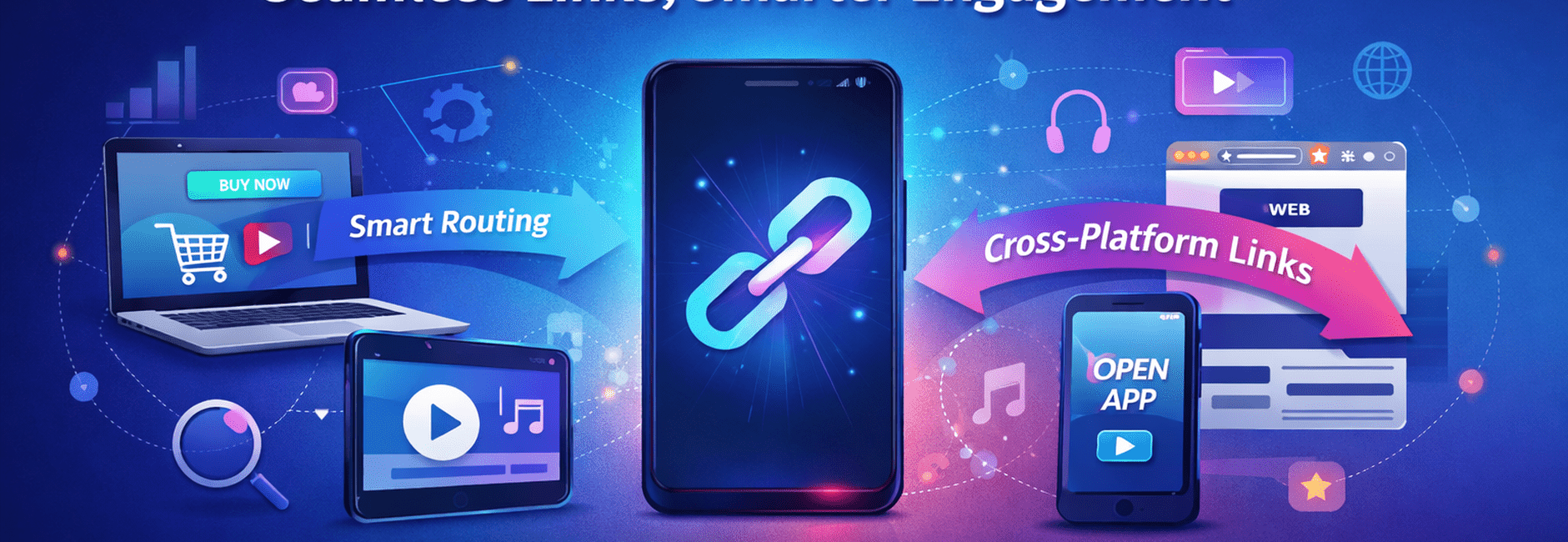
When someone clicks a link, the platform determines what should happen next based on the user’s environment. This routing process ensures the experience remains smooth.
Typical scenarios include:
Opening a specific screen inside the app if it is already installed
Redirecting users to the app store if the app is not installed
Returning users to the correct content after installation
By handling these scenarios behind the scenes, businesses can focus on delivering useful content instead of managing technical link behavior.
More details about this technology and how it works in real-world applications can be found through the DeepURL mobile linking platform.
Understanding App Attribution in Mobile Ecosystems
Beyond navigation, deep links also help businesses understand how users discover and interact with apps.
People often encounter apps through different sources such as invitations, promotions, or shared content. When users install an app or complete an action, companies want to know which interaction influenced that decision.
An DeepURL App Attribution Platform connects these actions to their original source.
For example, attribution can reveal whether a user installed an app after clicking a referral link from a friend or after receiving a message from a company. It can also show which links bring inactive users back to the app.
This information helps organizations understand the full journey users take before engaging with an app’s features.
Common Business Scenarios Where Deep Linking Helps
Deep linking plays an important role in many everyday mobile experiences. Businesses across different industries rely on it to guide users directly to relevant content.
Retail applications
A fashion brand might share a link to a seasonal sale. Instead of opening the app’s homepage, the link takes users directly to the sale category or product listing.
Travel services
Airlines and travel agencies often send links that open a traveler’s itinerary or booking details inside the app.
Food delivery apps
When a user receives a recommendation from a friend, the link can open the exact restaurant page and menu.
Streaming and media platforms
A recommendation link can take a viewer directly to a movie or podcast episode rather than requiring manual search.
These examples show how deep linking reduces friction in digital experiences.
Security and Scalability in Mobile Link Management
As mobile platforms grow, businesses may generate thousands or even millions of deep links. Managing this volume requires reliable infrastructure.
Security is an important part of link management. Links should direct users only to trusted content and should not be easily altered by external sources. Strong systems help maintain safe navigation paths.
Scalability is also essential. A deep linking platform must handle large numbers of users without slowing down or breaking link behavior.
This becomes particularly important for companies with global audiences and distributed teams. When teams work remotely across multiple regions, centralized link management helps maintain consistency across campaigns and user experiences.
What Businesses Look for in a Mobile Deep Linking Tool
Organizations evaluating deep linking solutions usually consider several practical factors. The goal is to choose a platform that supports both technical reliability and operational simplicity.
Some commonly considered features include:
Compatibility with major mobile operating systems
Consistent link behavior across different devices
Clear reporting on link activity
Easy link creation for non-technical teams
These characteristics often come up when businesses compare options in the category often referred to as the Best Mobile Deep Linking Tool.
Choosing the right approach ensures that users reach the right destination quickly and that teams can manage links efficiently.
Conclusion
Mobile applications continue to play a central role in how businesses deliver services and connect with users. Yet the success of an app often depends on how easily people can reach the content they want.
Deep linking helps remove unnecessary steps by directing users straight to the correct location inside an app. Instead of navigating through multiple screens, users arrive exactly where they expect to be.
Platforms like DeepURL help businesses manage this process by organizing link behavior and connecting user actions with their original sources. As mobile ecosystems continue to expand, technologies that simplify app navigation will remain an important part of delivering smooth and reliable user experiences.