
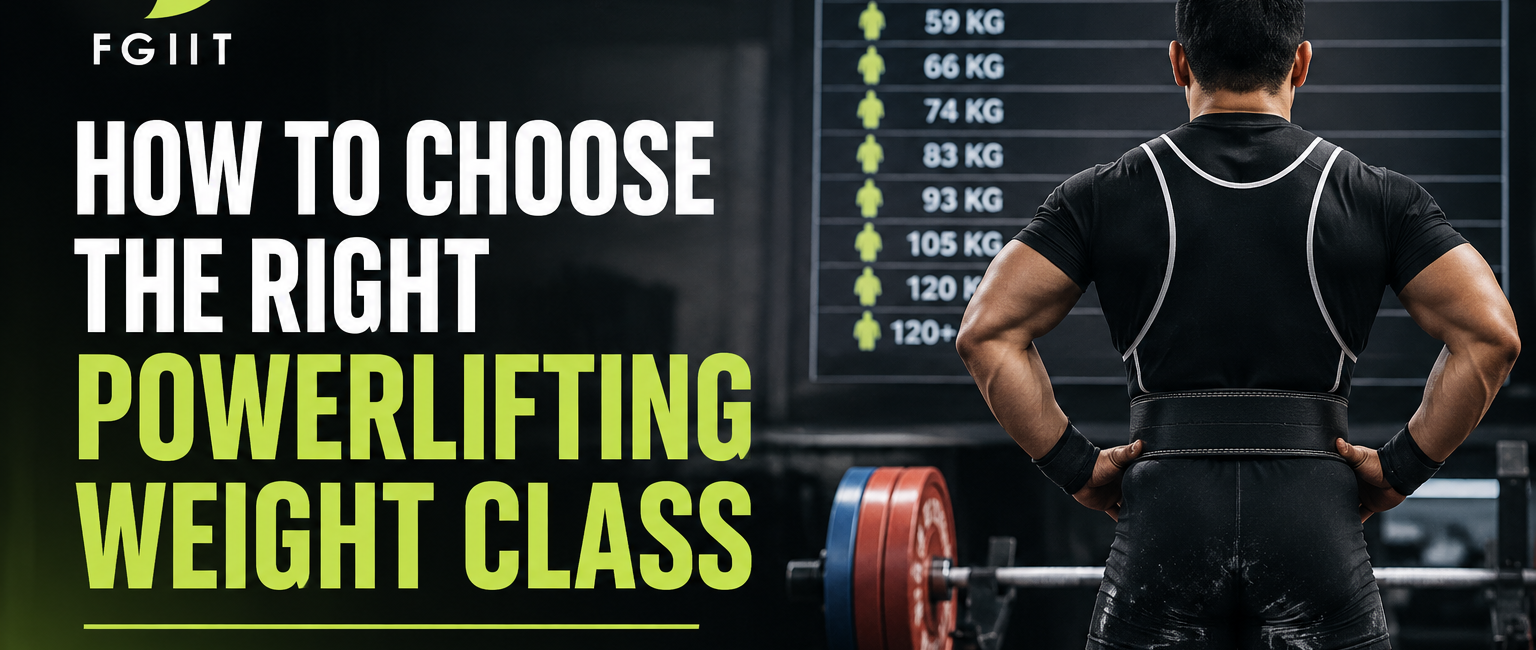
Choosing the right powerlifting weight class is one of the most strategic decisions you’ll make as a competitive lifter. It’s not just about how much you weigh—it’s about maximizing your strength potential, maintaining peak performance, and competing fairly against athletes with similar body frames. In India, where powerlifting is rapidly growing through organizations like FGIIT India (FG Group), understanding weight class selection is critical for both new and experienced lifters.
This comprehensive 1,200-word guide will walk you through everything you need to know about selecting your ideal powerlifting weight class, backed by data, expert recommendations, and FGIIT’s training philosophy.
What Are Powerlifting Weight Classes?
Powerlifting weight classes are standardized categories based on body weight that ensure athletes compete against others with similar mass. The most widely recognized system follows the IPF (International Powerlifting Federation) standards, which India also adopts for national and international competitions.
Official IPF Weight Classes (Men)
Official IPF Weight Classes (Women)
These classes ensure fairness and allow lifters to compete based on relative strength rather than absolute mass.
Key Factors to Consider When Choosing Your Weight Class
1. Height and Frame Size
Height plays a crucial role in determining your optimal weight class. Taller lifters typically have longer lever arms and can carry more muscle mass naturally. A 6-foot lifter will struggle to compete in the 74 kg class against someone who’s 5’6″ with a denser frame.
Rule: Choose the weight class where you can maintain a healthy amount of muscle mass for your frame without excessive cutting or bulking.
2. Natural Body Weight
Your “natural weight” is the weight at which you feel strongest, most comfortable, and perform best—without cutting or bulking. Competing at your natural weight ensures:
Optimal energy levels
Better recovery
Sustainable performance
For first-time lifters: Simply compete at whatever you currently weigh. Don’t add the stress of cutting weight for your first meet.
3. Body Composition
Are you lean or do you have excess body fat? If you can lose fat and gain muscle through training and nutrition, you may naturally drop into a lower, more competitive weight class over time.
Ideal scenario: Improve body composition by losing fat while maintaining or increasing muscle mass, allowing you to compete in a lower class with better relative strength.
4. Performance vs. The Scale
The number one goal is to be strong, not to hit a specific weight number. A brutal weight cut that leaves you weak, dehydrated, or fatigued is rarely worth it just to make a lower class.
Ask yourself: Is dropping 5–8% of my body weight worth losing 10–15% of my total lift strength?
5. Competitiveness and Goals
If powerlifting is your primary goal and you’re more than 2–3% above the average height for a class, consider moving up a weight class-especially if you’re not competitive at your current level.
Advanced lifters may consider cutting weight if:
They’re genuinely competitive at a lower class
They have a realistic chance of winning or placing in the top 3
They can make weight with a drop of <5% body mass
They have sufficient time to cut safely
The FGIIT India Approach to Weight Class Selection
FGIIT India (part of FG Group) emphasizes practical training, real gym experience, and advanced strength training methodologies in their Powerlifting Coach Certification program. Their philosophy centers on:
Individualized Assessment: Every lifter is unique. FGIIT coaches assess height, frame, natural weight, and performance metrics before recommending a weight class.
Long-Term Development: Focus on sustainable progress rather than short-term weight cuts.
Performance-First Mindfield: Strength gains and lift totals matter more than hitting a specific number on the scale.
FGIIT’s offline powerlifting certification in India trains coaches to guide athletes through this decision-making process scientifically.
Common Mistakes Lifters Make When Choosing Weight Classes
Step-by-Step Process to Find Your Ideal Weight Class
Step 1: Measure Your Baseline
Record your current weight (morning, fasted)
Measure your height
Assess body fat percentage (if possible)
Step 2: Evaluate Your Natural Strength
What weight do you feel strongest at during training?
Does cutting or bulking improve or reduce your total?
Step 3: Compare Against IPF Classes
Match your natural weight to the closest IPF class
Consider height: taller lifters may need to move up
Step 4: Test Performance
Train at your current weight for 4–6 weeks
Track your squat, bench, and total improvements
If performance drops when cutting, move up
Step 5: Consult a Coach
FGIIT-certified coaches can provide personalized recommendations based on competition data and your physiology
When to Move Up or Down a Weight Class
Move UP if:
You’re consistently above the class limit by >5%
You’re taller than average for your class
Cutting weight reduces your total significantly
You’re not competitive despite strong lifts
Move DOWN if:
You can lose fat while maintaining muscle
You’re naturally below the class limit
You have a realistic chance of winning the lower class
You can cut <5% body mass safely
The Dot’s Score and Relative Strength
In powerlifting, the DOTS score (formerly Wilks) calculates relative strength by adjusting your total for body weight. Moving to a lighter class improves relative strength metrics but requires a weight cut that may reduce your total. Moving up allows heavier absolute lifts but places you against stronger competitors.
Optimal class: Balances competitiveness with sustainable performance.
Final Recommendations for Indian Lifters
Start Natural: For your first 2-3 meets, compete at your natural weight.
Focus on Fundamentals: Learn commands, hit lifts, and enjoy the experience before optimizing weight class.
Train with FGIIT: Consider FGIIT’s Powerlifting Coach Certification to learn advanced methodologies and get personalized guidance.
Prioritize Health: Avoid severe weight-cutting measures that harm performance and long-term health.
Track Progress: Use tools like the Weight Class Optimizer to compare projected rankings and DOTS scores across classes.
Conclusion
Choosing the right powerlifting weight class is a strategic decision that balances height, natural weight, body composition, and performance goals. For Indian lifters looking to compete at national or international levels, understanding these factors is essential. FGIIT India’s training philosophy emphasizes individualized assessment, long-term development, and performance-first thinking—ensuring athletes compete at their optimal weight class while maintaining health and strength.
Remember: Be strong, not just a specific weight. Compete smart, train hard, and let your total speak for itself.