
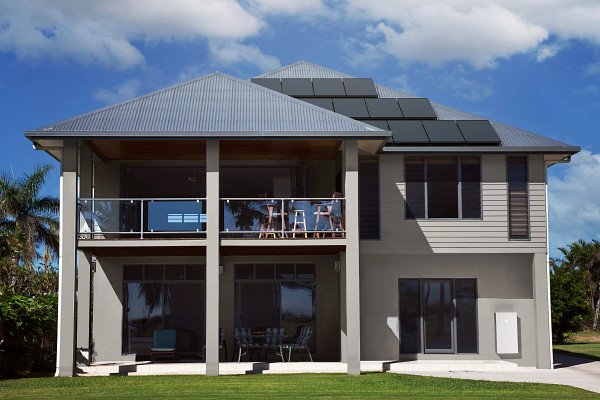
Brisbane homeowners are increasingly looking at solar power as a practical way to generate electricity at home, manage energy costs and make better use of the city’s abundant sunlight. However, selecting a solar system is not simply a matter of choosing the highest number of panels or the largest inverter. The right system depends on your household’s electricity consumption, roof characteristics, available budget, future energy needs and how much of your solar generation you want to use directly.
For homeowners researching Residential Solar Installation Brisbane, understanding the key factors before making a decision can make the process much easier. A properly selected and professionally installed system can provide useful renewable energy for many years, while an incorrectly sized system may not deliver the expected results.
Understand Your Household’s Electricity Usage
The first step when selecting a residential solar system is to understand how much electricity your household actually uses. Electricity bills usually provide information about consumption, often measured in kilowatt-hours (kWh).
Look at several recent electricity bills rather than relying on a single month. Energy consumption can change throughout the year because of heating, cooling, hot water systems, pool equipment, cooking appliances and other household loads.
For example, a home with air conditioning operating regularly during Brisbane’s warmer months may have considerably higher electricity consumption than a household with minimal cooling requirements. Similarly, families working from home may use more electricity during daylight hours.
Understanding your consumption helps determine an appropriate system size and gives an installer useful information when assessing your property.
Consider When Your Household Uses Electricity
Daily energy consumption is just as important as total consumption. Solar panels generate electricity during daylight hours, so knowing when your household uses energy can influence the type and size of system that makes sense.
If someone is usually home during the day, electricity generated by the panels can potentially be used directly for appliances, heating, cooling or other household requirements. If most household members are away during the day and electricity use increases in the evening, you may want to consider how the system can support your evening energy needs.
A solar battery may be worth investigating in some situations. Batteries store surplus solar energy generated during the day so it can potentially be used later. However, battery suitability depends on individual consumption patterns, system design, available space and budget.
Choose an Appropriate Solar System Size
Solar systems are commonly described by their capacity in kilowatts (kW). The appropriate capacity for one Brisbane home may be very different from another.
A smaller household with relatively low electricity consumption may not require the same system as a large family home with multiple air conditioners, electric hot water, pool equipment and other high-energy appliances.
When selecting a system, consider both current and expected future electricity requirements. For instance, if you are planning to purchase an electric vehicle, install a heat-pump hot water system or add other significant electrical loads, your future energy consumption could be higher than your current bills suggest.
Rather than automatically choosing the biggest available system, homeowners should consider a system size that aligns with the property and household energy requirements.
Assess Your Roof Before Installation
Your roof plays an important role in residential solar installation. The available roof area, orientation, pitch, shading and structural condition can all affect the installation design.
Brisbane homes can have a wide variety of roof styles and layouts. Some properties may have large sections of unobstructed roof, while others may have limited usable space because of skylights, vents, chimneys or different roof sections.
Shading is another important consideration. Trees, neighbouring buildings and roof structures can reduce sunlight reaching panels at certain times of the day. A professional site assessment can help identify these issues before the system is installed.
The condition and suitability of the roof should also be considered. If roofing work is already required, it may be sensible to address it before installing solar panels.
Compare Solar Panels Carefully
Solar panels are one of the most visible components of a residential solar system, but comparing panels based only on their advertised wattage is not enough.
Consider factors such as panel efficiency, product specifications, degradation characteristics, physical dimensions, warranties and suitability for the local environment.
Higher-efficiency panels can be useful where roof space is limited because they may provide more generation from a smaller area. However, panel efficiency should be considered alongside the overall system design and available roof area.
Homeowners should also check the manufacturer’s warranty terms and understand what is covered for the product and its performance.
Pay Attention to the Inverter
The inverter is another major component of a solar power system. Solar panels generate DC electricity, while most household appliances use AC electricity. The inverter converts the electricity into a form that can be used within the home.
When comparing systems, look at inverter specifications, efficiency, warranty, monitoring capabilities and compatibility with future additions such as battery storage.
The inverter should also be appropriately matched to the solar array and installation requirements. A qualified installer can assess the appropriate configuration based on the selected panels, roof layout and household requirements.
Think About Battery Storage
Solar batteries are becoming an increasingly discussed option for Brisbane households. Their main purpose is to store excess electricity generated by the solar panels for use later.
Without battery storage, surplus electricity may be exported to the electricity grid, depending on the home’s setup and applicable arrangements. With a battery, some of that excess generation can instead be stored for later use.
Whether a battery makes financial and practical sense depends on factors including electricity consumption, solar generation, evening energy usage, electricity tariffs, battery capacity and installation costs.
It is therefore useful to consider battery readiness when selecting a solar system, even if you do not plan to install a battery immediately.
Check the Installation Requirements
A good solar system is only as effective as its installation. Residential solar work involves electrical equipment, roof access, mounting systems, wiring and connection requirements, so professional installation is essential.
Homeowners should confirm that the installer is appropriately licensed and experienced in residential solar work. It is also worth asking what is included in the installation, such as mounting equipment, electrical connections, monitoring setup and relevant compliance requirements.
The installation process may vary depending on the property’s roof design, switchboard, existing electrical infrastructure and selected equipment.
Consider Local Brisbane Conditions
Brisbane’s climate makes solar an attractive option for many households, but local conditions should still be considered when designing a system. Strong sunlight, high summer temperatures, storms and varying weather conditions can all affect the operating environment.
A system should be designed with suitable equipment and mounting arrangements for the property. The installer should also consider roof orientation and shading throughout the day rather than relying on a basic estimate.
Local experience can be valuable because installers familiar with Brisbane properties are more likely to understand common roof types, local installation considerations and the practical challenges that can arise during residential projects.
Look Beyond the Initial Price
Price is an important factor, but it should not be the only consideration when comparing solar systems.
Two quotes can have very different prices because they may include different panels, inverters, mounting equipment, warranties, installation methods and system capacities. Comparing the total system specification gives homeowners a clearer picture of what they are actually purchasing.
Ask for a detailed quote that identifies the major equipment and explains what installation services are included. It is also useful to understand warranty responsibilities and who to contact if an issue occurs after installation.
A cheaper system may not necessarily provide better long-term value if the equipment or installation does not meet your household’s requirements.
Ask About Monitoring
Solar monitoring can help homeowners understand how their system is performing. Depending on the equipment, monitoring platforms may provide information about solar generation, household consumption, grid imports and exports, and battery operation.
This information can help households identify when they are generating the most electricity and adjust appliance usage where practical. For example, some homeowners may choose to operate certain appliances during daylight hours when solar generation is higher.
Monitoring also provides useful information when checking whether the system is operating as expected.
Work With an Experienced Local Installer
Choosing the right installer is an important part of the Residential Solar Installation Brisbane process. Experience with residential properties, appropriate licensing and knowledge of local installation conditions can all contribute to a well-planned project.
Solahart Strathpine is your trusted local specialist for residential solar power installation in Brisbane. We’re part of the nationwide Solahart network, proudly based in Brendale and serving suburbs across Brisbane and its surrounding areas. Our team comprises licensed electricians and plumbers with extensive experience in residential solar installations.
A local installer can assess your property, review your electricity requirements and help you understand the available system options before installation begins.
Consider Your Future Energy Needs
Solar is a long-term investment, so it makes sense to think beyond today’s electricity usage. Your household may change over time. You could add new appliances, switch to electric hot water, purchase an electric vehicle, renovate your home or increase your daytime electricity consumption.
When discussing your system, tell the installer about any planned changes. This information can influence the recommended system capacity, inverter selection and whether battery compatibility should be considered.
Planning for future requirements can reduce the likelihood of needing significant changes later.
Final Thoughts
Selecting a residential solar system in Brisbane involves more than choosing a panel brand or comparing the lowest installation price. Homeowners should consider electricity consumption, daily energy patterns, roof characteristics, shading, system size, panel and inverter specifications, battery requirements, installation quality and future energy needs.
For anyone researching Residential Solar Installation Brisbane, starting with a professional assessment is a practical way to understand which options are suitable for the property. A properly designed system should reflect the household’s energy requirements rather than relying on a one-size-fits-all approach.
With careful planning and qualified installation, a residential solar system can become an important part of a home’s energy setup, helping households make better use of Brisbane’s available solar resource while supporting their longer-term energy goals.