
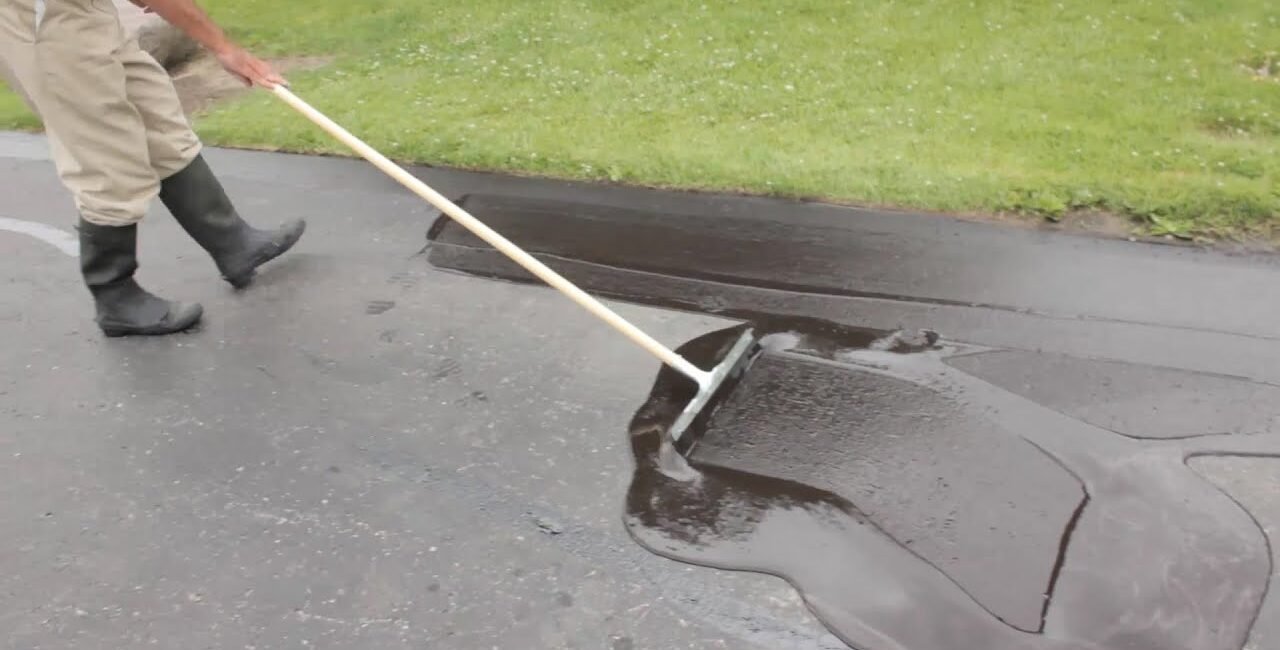
Asphalt pavement is an important investment for residential and commercial properties. Driveways, parking lots, private roads, and other paved areas require proper care to maintain their strength, appearance, and functionality. Although asphalt is designed to handle regular use, continuous exposure to sunlight, moisture, traffic, and changing weather conditions can gradually affect its condition.
Seal coating is one of the most common preventive maintenance methods used to protect asphalt surfaces. However, the quality of a seal coating project depends on several important factors. Proper preparation, material selection, application methods, and maintenance practices all influence how well the protective layer performs.
Understanding what determines quality results can help property owners make informed decisions about pavement maintenance and long-term care.
Importance of Surface Condition
The existing condition of asphalt plays a major role in determining seal coating quality.
Seal coating works best on pavement that is structurally stable and free from major damage. If the asphalt has deep cracks, potholes, or serious surface problems, repairs may be necessary before applying a protective coating.
Applying seal coating over damaged pavement without proper preparation can reduce effectiveness and prevent the coating from providing long-lasting protection.
A professional evaluation helps determine whether the surface is ready for seal coating or requires additional maintenance first.
Proper Surface Preparation
Preparation is one of the most important steps in achieving quality seal coating results.
Before application, the asphalt surface should be cleaned thoroughly to remove:
- Dirt and dust
- Oil stains
- Loose debris
- Other contaminants
A clean surface allows the seal coat to bond properly with the asphalt. If contaminants remain on the pavement, they may interfere with adhesion and cause uneven results.
Crack filling and minor repairs should also be completed before seal coating to create a stronger foundation for the protective layer.
Quality of Seal Coating Materials
The materials used during application directly affect the performance of the finished surface.
High-quality seal coating materials are designed to provide better resistance against environmental factors such as sunlight, moisture, and vehicle traffic. The right material helps create a durable protective layer that supports asphalt preservation.
Using unsuitable or low-quality materials may result in reduced protection and a shorter maintenance cycle.
Correct Application Techniques
The application process has a significant impact on seal coating quality.
Proper techniques include:
- Applying the coating evenly
- Maintaining appropriate thickness
- Covering the surface completely
- Allowing sufficient curing time
An uneven application can create weak areas that wear faster than the rest of the pavement. Correct application methods help ensure consistent protection across the entire surface.
Experienced professionals understand how different pavement conditions require specific approaches for better results.
Weather Conditions During Application
Weather conditions can influence how well seal coating performs.
Temperature, humidity, and rainfall all affect the curing process. Warm and dry conditions generally provide better results because the coating can set properly.
Rain or excessive moisture shortly after application may interfere with curing and reduce the effectiveness of the protective layer.
Choosing the right time for application helps improve durability and overall performance.
Impact of Traffic Levels
The amount of traffic a pavement surface receives also affects seal coating quality and lifespan.
Residential driveways usually experience lighter traffic compared to commercial parking lots or high-use areas. Heavy vehicles, frequent turning, and constant movement create additional stress on the surface.
Understanding traffic patterns helps property owners plan suitable maintenance schedules and select appropriate protection methods.
Importance of Proper Curing Time
After seal coating is applied, the surface needs enough time to cure before regular use.
Allowing vehicles or heavy traffic on the pavement too soon can affect the finish and reduce the effectiveness of the coating.
Proper curing allows the material to harden and develop the protective qualities needed to support pavement performance.
Following recommended curing guidelines is an important part of maintaining quality results.
Regular Maintenance After Seal Coating
Quality seal coating results also depend on ongoing care after application.
Regular maintenance practices include:
- Cleaning the pavement regularly
- Removing chemical spills quickly
- Repairing cracks when they appear
- Monitoring drainage conditions
- Scheduling inspections
Preventive maintenance helps protect the investment and allows the seal coating to continue performing effectively.
Professional Application Matters
Achieving reliable seal coating results requires proper knowledge, preparation, and attention to detail. Professionals evaluate pavement conditions, select suitable materials, prepare the surface correctly, and apply the coating using proven methods.
Armor Paving & Sealcoating LLC provides asphalt maintenance services focused on helping property owners maintain pavement quality through proper preparation and reliable application practices.
Long-Term Benefits of Quality Seal Coating
A quality seal coating project helps preserve asphalt by reducing the effects of environmental exposure and daily use. It supports better pavement appearance, helps slow surface aging, and reduces the likelihood of premature deterioration.
When combined with regular maintenance, seal coating becomes an effective part of a long-term pavement care plan.
Conclusion
Several factors determine the quality of seal coating, including pavement condition, surface preparation, material quality, application techniques, weather conditions, and ongoing maintenance. When these factors are properly managed, Asphalt Seal Coating in Fort Worth TX helps protect pavement, maintain appearance, and support longer asphalt performance.
FAQs
1. What affects asphalt seal coating quality the most?
Surface preparation, material quality, application methods, and weather conditions are some of the biggest factors affecting results.
2. Can seal coating be applied to damaged asphalt?
Seal coating is best for stable pavement. Major cracks and structural issues should usually be repaired before application.
3. Why is surface cleaning important before seal coating?
Cleaning removes contaminants that can prevent proper bonding between asphalt and the seal coat.
4. How does weather affect seal coating results?
Temperature, moisture, and rainfall can influence curing and the overall performance of the coating.
5. Does maintenance improve seal coating performance?
Yes. Regular cleaning, inspections, and timely repairs help maintain the effectiveness of seal coating over time.