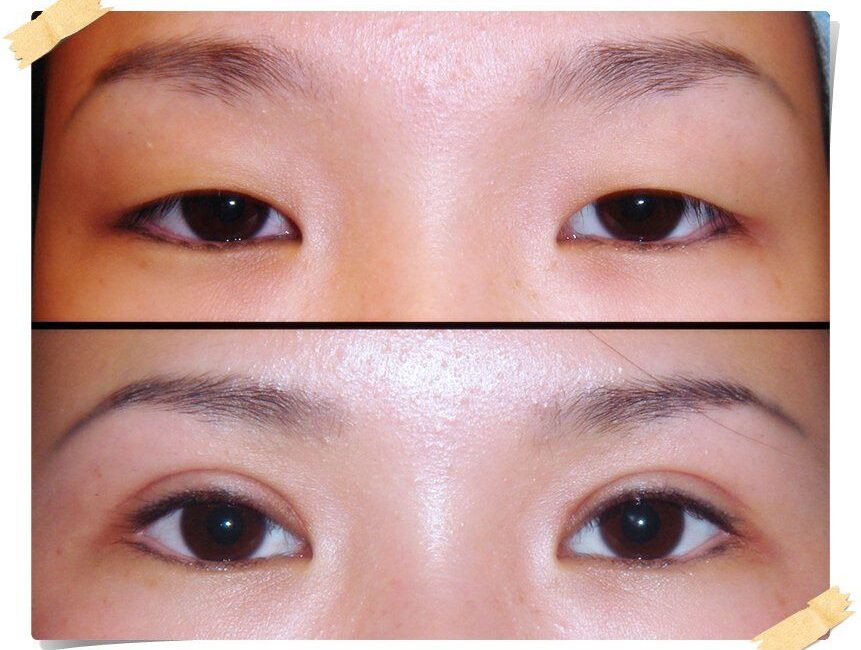
Droopy eyelids, also known as ptosis, can affect both appearance and vision. Many people in Islamabad experience sagging or low-lying eyelids due to aging, genetics, muscle weakness, or medical conditions. When the upper eyelids droop too far, they can make a person look tired, older, or less alert — and in many cases, the drooping eyelid physically blocks part of the upper field of vision. Fortunately, modern droopy eyelid repair surgery in Islamabad offers safe, effective, and long-lasting improvement for both facial aesthetics and visual function.
Whether your goal is medical correction or cosmetic enhancement, Islamabad offers highly experienced surgeons who specialize in ptosis repair, upper eyelid lifting, and advanced blepharoplasty techniques. This detailed guide explains everything you need to know about droopy eyelid repair, including causes, treatment options, benefits, cost, procedure, recovery, and how to choose the right surgeon.
What Is Droopy Eyelid (Ptosis)?
Ptosis refers to the abnormal lowering of the upper eyelid. When the eyelid droops, it can partially cover the eye and reduce a person’s ability to see clearly.
Common Causes of Droopy Eyelids
Aging: The levator muscle (responsible for lifting the eyelid) weakens over time.
Genetics: Some people are born with weaker eyelid muscles.
Injury or Trauma: Damage to the eyelid muscle can cause sagging.
Nerve Disorders: Rare neurological issues can also contribute.
Previous Eye Surgeries: Cataract or LASIK surgery may sometimes affect eyelid muscles.
Droopy eyelids can affect one or both eyes and may progress over time if left untreated.
Symptoms & When to Seek Treatment
Droopy eyelids are not only a cosmetic concern. They can also affect daily life, comfort, and vision.
Signs You May Need Droopy Eyelid Repair:
Eyelids blocking part of your vision
Constant forehead lifting to compensate
Eye strain or fatigue
Difficulty reading or driving
Tired or sad-looking facial expression
Asymmetrical eyelids affecting facial balance
If these symptoms affect your daily activities or confidence, ptosis repair surgery may be the right solution.
Droopy Eyelid Repair Options in Islamabad
Specialists in Islamabad offer several treatment options depending on the severity of ptosis and the patient’s eye structure.
1. Levator Muscle Tightening (Standard Ptosis Repair)
This surgical method involves tightening or reattaching the levator muscle to lift the eyelid. It is the most common and effective treatment for moderate to severe droopy eyelids.
2. Müller’s Muscle-Conjunctival Resection (MMCR)
A minimally invasive procedure performed from inside the eyelid. Ideal for mild cases of ptosis where the eyelid responds to specific tests.
3. Frontalis Sling Surgery
Used for severe or congenital ptosis when the levator muscle is very weak. A small sling connects the eyelid to the forehead muscle, allowing the forehead to assist in lifting the eyelid.
4. Cosmetic Upper Eyelid Blepharoplasty
Sometimes ptosis repair is combined with blepharoplasty to remove excess skin and fat, providing both functional and cosmetic improvement.
Surgeons customize each treatment plan to ensure natural-looking results and improved vision.
Benefits of Droopy Eyelid Repair
Droopy eyelid repair in Islamabad offers both functional and aesthetic improvements.
✔ Improved Vision
Lifting the eyelid clears the upper visual field, allowing you to see more clearly without straining.
✔ Younger, Refreshed Appearance
Sagging eyelids can make you look tired or older. Ptosis repair restores alertness and symmetry.
✔ Boost in Confidence
Many patients feel more confident and expressive after the procedure.
✔ Long-Lasting Results
Ptosis repair offers durable results that often last for many years.
✔ Minimal Scarring
Modern techniques place incisions in natural folds, making scars virtually invisible.
Why Choose Islamabad for Ptosis Repair?
Islamabad is known for its highly qualified plastic surgeons, oculoplastic specialists, and advanced clinics offering international-standard care. Patients prefer Islamabad because:
Surgeons specialize in both functional and cosmetic eyelid procedures
Clinics use precise microsurgical instruments
Natural-looking results with minimal downtime
Affordable cost compared to international centers
Personalized care and detailed follow-up
Whether you need simple correction or complex eyelid reconstruction, Islamabad offers reliable expertise.
How the Procedure Works
1. Consultation
The surgeon examines your eyelids, muscle strength, eye movement, and vision. You discuss expectations and the type of repair needed.
2. Preparation
You may need to stop certain medications and arrange for someone to drive you home after the procedure.
3. The Surgery
Usually performed under local anesthesia with sedation
Small incisions are made along the natural eyelid crease
The levator muscle is tightened or repositioned
Excess skin or fat is removed if necessary
Fine sutures close the incision
The procedure typically lasts 45 minutes to 2 hours, depending on complexity.
Recovery After Droopy Eyelid Repair
Recovery is usually smooth, especially with proper aftercare.
What to Expect:
Mild swelling and bruising for 5–7 days
Temporary tightness or heaviness
Stitches removed within 4–5 days
Most patients resume normal activities in 7–10 days
Final results take 4–6 weeks to appear
Aftercare Tips:
Use cold compresses for the first few days
Keep your head elevated
Avoid strenuous activities for a week
Use prescribed eye drops or ointments
Wear sunglasses when outdoors
Do not rub or press on the eyelids
Your surgeon will schedule follow-up visits to ensure smooth healing.
Cost of Droopy Eyelid Repair in Islamabad
Cost varies based on the severity of ptosis, type of surgery, and the surgeon’s experience. On average:
Mild ptosis repair: PKR 80,000 – 150,000
Moderate to severe ptosis repair: PKR 120,000 – 250,000
Combined ptosis + cosmetic blepharoplasty: PKR 150,000 – 280,000
Highly specialized procedures like frontalis sling surgery may cost slightly more.
Choosing the Best Surgeon for Ptosis Repair in Islamabad
To ensure safe and natural results, choose a surgeon who:
Is a qualified plastic or oculoplastic surgeon
Has extensive experience with ptosis correction
Offers before-and-after photos
Uses modern surgical techniques
Communicates clearly about expectations and risks
A skilled surgeon will prioritize both function and aesthetics to give you balanced and long-lasting results.