
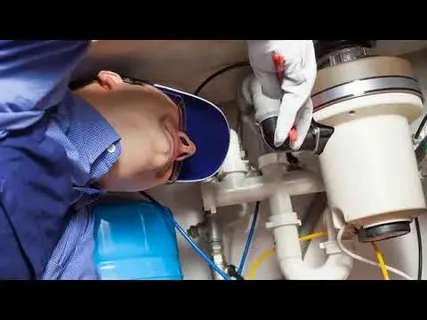
Your home’s sewer line is one of the most important parts of your plumbing system. It carries wastewater away from sinks, toilets, showers, and appliances to the municipal sewer system or septic tank. Because sewer lines are buried underground, many homeowners do not realize there is a problem until serious damage occurs.
If you notice recurring plumbing issues throughout your home, it may be time to consider cracked sewer line repair before the damage becomes more severe. Identifying the warning signs early can help you avoid costly repairs, property damage, and potential health hazards.10 Warning Signs Your Sewer Line May Be Cracked
Why a Cracked Sewer Line Is a Serious Problem
A damaged sewer line can affect your entire plumbing system. Even a small crack can allow wastewater to leak into the surrounding soil, attract tree roots, and create blockages that lead to backups.
Problems Caused by a Cracked Sewer Line
- Sewage backups
- Slow drains
- Foul odors
- Yard damage
- Foundation problems
- Mold growth
- Higher repair costs
Understanding the warning signs can help you take action before the situation becomes an emergency.
1. Multiple Drains Are Slow at the Same Time
A single slow drain may simply indicate a local clog. However, if several drains throughout your home are draining slowly, the issue may be deeper within the sewer line.
Common Signs
- Slow kitchen sink drainage
- Slow bathroom sinks
- Bathtubs draining slowly
- Toilets flushing poorly
When multiple fixtures are affected, a damaged sewer line could be restricting wastewater flow.
2. Frequent Sewage Backups
One of the clearest signs of a cracked sewer line is recurring sewage backups.
Warning Signs
- Wastewater backing up into sinks
- Water appearing in showers after flushing toilets
- Overflowing floor drains
- Repeated drain blockages
Sewage backups should never be ignored because they can create serious health risks and property damage.
3. Unpleasant Sewer Odors
A properly functioning sewer line should keep sewer gases contained underground and away from your home.
Signs of Sewer Gas Leaks
- Rotten egg smells
- Persistent sewage odors indoors
- Foul smells near drains
- Strong odors in the yard
Cracks in the sewer line may allow gases to escape, creating unpleasant odors and unhealthy living conditions.
4. Unusually Green or Lush Grass
A cracked sewer line can leak nutrient-rich wastewater into the soil.
What to Look For
- Bright green patches of grass
- Areas growing faster than the rest of the lawn
- Isolated sections of unusually healthy vegetation
While a healthy lawn may seem positive, uneven growth patterns can indicate an underground sewer leak.
5. Wet Spots in Your Yard
Water pooling in your yard without an obvious cause may point to a damaged sewer pipe.
Common Signs
- Soggy ground
- Muddy patches
- Standing water
- Soft soil
These wet areas often develop when wastewater escapes through cracks in underground pipes.
6. Mold and Mildew Growth
Moisture from a leaking sewer line can create ideal conditions for mold growth.
Signs of Mold Problems
- Musty odors
- Visible mold patches
- Increased allergy symptoms
- Water stains on walls or floors
Mold can spread quickly and may affect indoor air quality if the source of moisture is not addressed.
7. Foundation Cracks and Structural Damage
A leaking sewer line can gradually erode the soil beneath your home’s foundation.
Warning Signs
- Cracks in walls
- Uneven flooring
- Foundation movement
- Doors and windows sticking
Over time, water leakage can compromise structural stability and lead to expensive repairs.
8. Gurgling Noises from Drains and Toilets
Strange sounds coming from your plumbing system often indicate airflow problems caused by sewer line damage.
Common Noises
- Gurgling toilets
- Bubbling drains
- Unusual sounds after flushing
- Noisy plumbing fixtures
These sounds occur when wastewater struggles to move through damaged or partially blocked pipes.
9. Pest and Rodent Problems
Cracked sewer lines can attract pests looking for water and shelter.
Common Pests Associated with Sewer Damage
- Rats
- Mice
- Cockroaches
- Flies
- Mosquitoes
Small openings in sewer pipes can provide entry points for unwanted pests that may eventually enter your home.
10. Rising Water Bills Without Explanation
Although sewer line leaks do not always directly affect water usage, related plumbing problems can sometimes contribute to increased utility costs.
Signs to Watch
- Unexpected bill increases
- No visible indoor leaks
- Ongoing plumbing issues
- Excessive water use patterns
A plumbing inspection can help identify whether underground leaks are contributing to higher costs.
Common Causes of Cracked Sewer Lines
Several factors can contribute to sewer line damage.
Leading Causes
- Aging pipes
- Tree root intrusion
- Ground shifting
- Corrosion
- Heavy vehicle traffic
- Poor installation
- Freezing temperatures
Understanding these causes can help homeowners take preventive measures.
How Professionals Diagnose Sewer Line Problems
Modern plumbing technology allows professionals to identify sewer line damage accurately without unnecessary digging.
Common Inspection Methods
- Sewer camera inspections
- Video pipe inspections
- Leak detection equipment
- Pipe locating technology
- Pressure testing
These tools help plumbers determine the exact location and severity of the problem.
How to Prevent Sewer Line Damage
While some sewer line issues are unavoidable, many can be prevented through routine maintenance.
Sewer Maintenance Tips
- Schedule regular inspections.
- Avoid flushing non-flushable items.
- Dispose of grease properly.
- Monitor drain performance.
- Remove invasive tree roots.
- Repair minor plumbing issues promptly.
Preventive maintenance can help extend the life of your sewer system.
When to Call a Professional Plumber
You should seek professional help if you notice:
- Multiple slow drains
- Frequent backups
- Sewage odors
- Wet spots in the yard
- Foundation cracks
- Mold growth
- Gurgling plumbing fixtures
Prompt action can prevent extensive damage and reduce repair costs.
Benefits of Early Sewer Line Repairs
Addressing sewer line issues early provides several advantages.
Key Benefits
- Prevents property damage
- Reduces repair expenses
- Improves plumbing performance
- Protects indoor air quality
- Prevents sewage exposure
- Extends pipe lifespan
The sooner a sewer line problem is detected, the easier and less expensive it is typically to repair.
Conclusion
A cracked sewer line can create serious plumbing problems that affect your home, yard, and overall property value. Warning signs such as slow drains, sewage backups, foul odors, wet spots, foundation issues, and unusual lawn growth should never be ignored.
By recognizing these symptoms early and scheduling professional inspections when needed, homeowners can prevent costly repairs and maintain a safe, efficient plumbing system. Regular maintenance and prompt attention to sewer line problems are the best ways to protect your home from long-term damage.