
Business Development Strategies That Help Marketing Agencies Scale Successfully
 Most marketing agencies start the same way: a talented founder, a handful of loyal clients, and plenty of word-of-mouth referrals. That works for a while, but it rarely carries an agency past a certain size. Scaling requires a deliberate approach to finding, winning, and keeping the right clients. Here are the business development strategies that help marketing agencies grow without losing quality or burning out their teams.
1. Define a Clear Niche and Ideal Client Profile
Agencies that try to serve everyone often struggle to stand out. A defined niche, whether it’s an industry like healthcare or SaaS, or a service like paid social or SEO, makes your marketing sharper and your sales conversations easier. Build an ideal client profile that covers company size, budget, industry, pain points, and decision-makers. This clarity helps you say no to poor-fit clients, who drain time and margins. Specialists also command higher fees because prospects see them as experts rather than generalists.
2. Build a Predictable Lead Generation System
Relying on referrals alone makes revenue unpredictable. To scale, create a repeatable system that brings in qualified leads every month. Combine several channels: content marketing and SEO to capture inbound interest, LinkedIn outreach and cold email for direct prospecting, and webinars or events to build authority. Track the numbers that matter, including cost per lead, lead-to-call rate, and close rate. When you know how many conversations produce a new client, you can forecast growth and invest with confidence.
3. Develop a Structured Sales Process
Many agency founders sell on instinct, which makes results inconsistent and hard to delegate. Document a step-by-step sales process: discovery call, needs analysis, tailored proposal, follow-up, and close. Use a CRM to track every opportunity and set reminders so no lead slips away. Create proposal templates that you can customize quickly, and include clear scopes, timelines, and pricing options. A structured process shortens the sales cycle and lets you eventually hand sales over to a dedicated business development hire.
4. Align Your Offers With a Long-Term Growth Plan
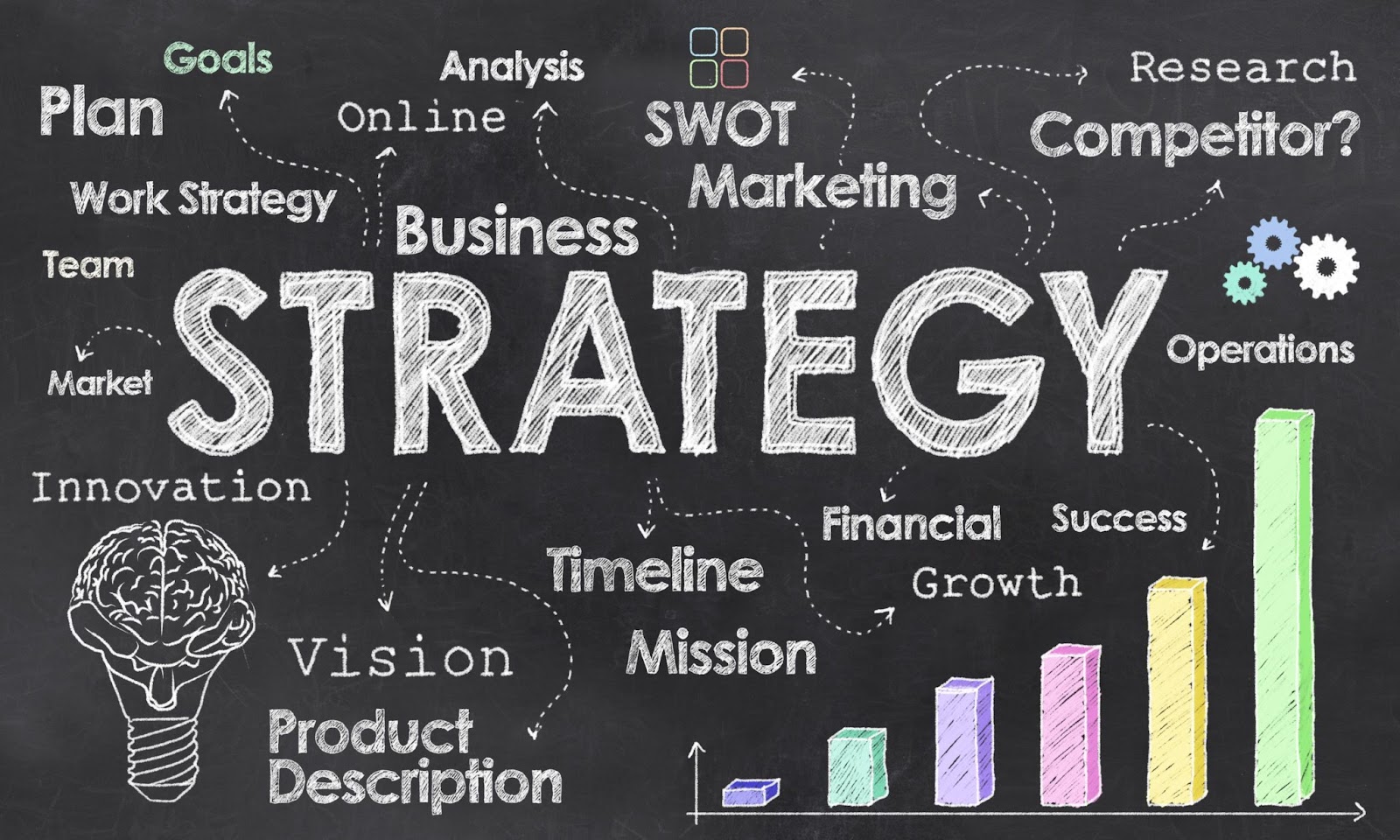
Short-term wins matter, but sustainable scaling depends on a deliberate Agency growth strategy that connects your services, pricing, team capacity, and target markets over the next one to three years. Decide which services to productize, which new offers to add, and which markets to enter. Set revenue targets and work backward to determine how many clients, hires, and sales activities you need to reach them. Review the plan every quarter so you can adjust to market shifts and avoid growing in ways that stretch your team too thin.
5. Package Services and Price for Value
Custom, hourly work is difficult to scale. Packaged services with clear deliverables and fixed or retainer pricing are easier to sell, deliver, and profit from. Consider tiered packages, such as starter, growth, and premium, so prospects can choose what fits their budget. Price based on the value you create rather than the hours you spend. If a campaign generates six figures in revenue for a client, a healthy retainer is justified. Clear packages also reduce scope creep and make onboarding smoother.
6. Invest in Client Retention and Expansion
Winning a new client costs far more than keeping an existing one, so retention is one of the most efficient growth levers. Schedule regular strategy calls, share transparent reports, and connect your work to the client’s business goals, not just vanity metrics. Look for natural upsell opportunities, such as adding email marketing to a client who already uses SEO. Ask satisfied clients for testimonials, case studies, and referrals. A strong retention rate gives you a stable revenue base that makes every other growth effort more effective.
7. Strengthen Partnerships and Referral Networks
Strategic partnerships can open doors that cold outreach cannot. Web developers, PR firms, consultants, and software vendors often serve the same clients you want to reach but don’t compete with your services. Create a formal referral arrangement with clear benefits for both sides, and nurture these relationships with regular communication. White-label partnerships can also help you take on larger projects by tapping into specialist capacity without hiring full-time staff.
8. Build Systems and a Team That Can Scale
Growth breaks agencies that rely entirely on the founder. Document workflows, standardize reporting, and use project management and automation tools to reduce manual work. Hire ahead of demand where possible, and invest in training so quality stays consistent as headcount grows. Define roles clearly, from account management to delivery, and track key metrics such as profit margin per client and revenue per employee. Strong systems protect your reputation while you take on more work.
Final Thoughts
Scaling a marketing agency is not about doing more of everything. It’s about focusing on the right clients, building repeatable systems for lead generation and sales, pricing for value, and keeping the clients you already have happy. Combine these strategies with a clear long-term plan, and your agency can grow steadily while maintaining the quality that earned its first clients. Start with one or two areas where you see the biggest gaps, measure the results, and build from there.