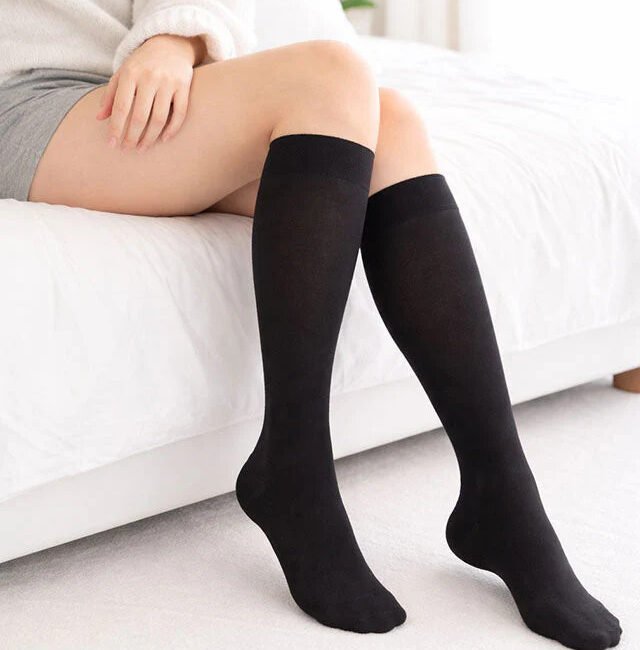
Common Mistakes to Avoid When Wearing Compression Socks for Women 20-30 mmHg
Michel
July 21, 2026

Compression socks have become a popular choice for women who want extra leg support during daily activities, travel, exercise, or long work shifts. Their graduated compression design applies the highest pressure around the ankle and gradually decreases toward the calf, helping promote healthy circulation and reduce feelings of tired, heavy legs. However, simply wearing compression socks is not enough. To experience their intended support, they need to be worn correctly.
Many first-time users unknowingly make small mistakes that can affect comfort, fit, and overall performance. Understanding these common errors can help women get the most from compression socks for women 20-30 mmHg while maintaining comfort throughout the day.
One of the most common mistakes is selecting the wrong size. Compression socks are designed to fit snugly, but they should never feel painfully tight or excessively loose. A poor fit can reduce the effectiveness of the graduated compression and make the socks uncomfortable to wear.
Instead of choosing based only on shoe size, it is important to measure the ankle, calf, and, if recommended by the manufacturer, leg length. Comparing these measurements with the brand’s sizing chart helps ensure a proper fit.
Not every compression level serves the same purpose. Some women purchase 20-30 mmHg socks simply because they assume more compression always means better results. In reality, this moderate compression level is designed for specific support needs and should match the user’s requirements.
Understanding different compression levels before making a purchase helps ensure that the selected socks provide the intended support without unnecessary discomfort.
Another frequent mistake is putting compression socks on too quickly or stretching them unevenly. Pulling them from the top can damage the fabric and create wrinkles that reduce comfort.
A better approach is to turn the sock partially inside out, position the foot correctly, and gradually roll the fabric up the leg. This method helps distribute compression evenly while minimizing strain on the material.
Compression socks should fit smoothly against the skin. Wrinkles, folds, or rolled-down tops create uneven pressure that may reduce comfort during wear.
After putting them on, gently smooth the fabric from the ankle toward the calf. This simple adjustment ensures the graduated compression remains evenly distributed throughout the sock.
Some women wait until their legs already feel swollen or fatigued before putting on compression socks. While they can still provide support, many users find them more comfortable when worn before spending long hours standing, walking, sitting, or traveling.
Starting the day with compression socks often provides more consistent support throughout daily activities.
Compression socks naturally lose elasticity after repeated use and washing. Socks that become stretched, loose, or thin may no longer provide consistent compression.
Regularly checking for signs of wear, such as slipping, sagging, or loss of shape, helps determine when it’s time for a replacement. Fresh, properly fitting socks maintain more reliable support.
Improper washing is another mistake that can shorten the lifespan of compression socks. Hot water, bleach, harsh detergents, or high-heat drying can weaken the elastic fibers responsible for compression.
Most manufacturers recommend washing compression socks with mild detergent and allowing them to air dry. Proper care helps preserve both comfort and durability over time.
Although compression socks are versatile, they are not intended for every situation. Wearing the same pair during activities they were not designed for may reduce comfort or cause faster wear.
Selecting socks that match daily routines—whether for work, travel, exercise, or recovery—helps ensure better performance and long-term durability.
Some buyers focus only on compression strength while ignoring fabric quality. Breathable, moisture-wicking materials often provide greater comfort during extended wear.
Many women prefer socks made with soft, durable fabrics that combine graduated compression with breathable construction, allowing them to stay comfortable throughout busy days.
Choosing the least expensive option may seem appealing, but quality, durability, and accurate compression are equally important considerations. Well-designed compression socks generally maintain their shape and support longer than lower-quality alternatives.
Many shoppers compare materials, sizing accuracy, construction, and customer feedback before making a purchase. Trusted brands such as SNUG360 are often considered because they offer graduated compression options designed for comfort, durability, and everyday support.
Wearing compression socks correctly is just as important as choosing the right pair. Avoiding common mistakes such as selecting the wrong size, allowing wrinkles to form, neglecting proper care, or continuing to wear stretched-out socks can improve both comfort and performance.
When selecting compression socks for women 20-30 mmHg, paying attention to fit, material quality, sizing, and maintenance helps ensure they continue providing consistent support throughout everyday activities. Making informed choices allows women to enjoy greater comfort whether they are working, traveling, exercising, or simply managing long hours on their feet.