
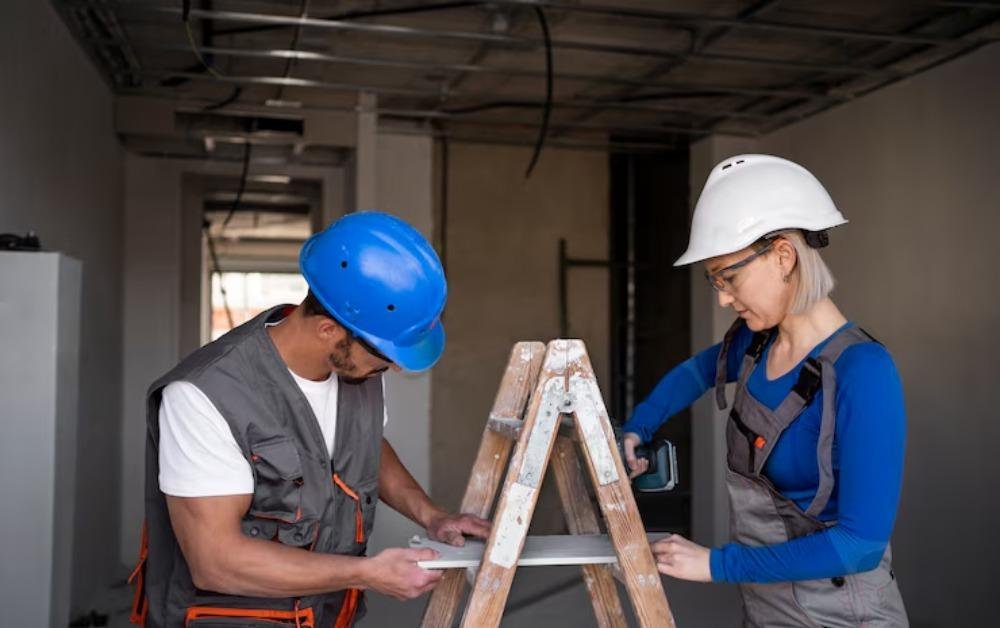
What Is a Property Inspection?
A property inspection is a professional, visual assessment of a property’s condition conducted by a qualified inspector. It evaluates the building’s structural components, major systems, and visible features to identify existing defects, maintenance concerns, and potential safety hazards.
Property inspections are commonly performed before buying, selling, renting, or renovating a property. They provide an unbiased overview of the property’s current condition, helping stakeholders make informed decisions.
Unlike a casual walkthrough, a professional inspection follows industry standards and includes detailed observations supported by photographs and written recommendations.
A Typical Property Inspection Covers
- Foundation and structural components
- Roof and attic
- Exterior walls and siding
- Windows and doors
- Interior walls, ceilings, and floors
- Plumbing systems
- Electrical systems
- Heating, ventilation, and air conditioning (HVAC)
- Insulation and ventilation
- Garage, driveway, decks, and patios
- Drainage and grading
The final inspection report highlights visible defects, maintenance priorities, and recommendations for repairs or further specialist evaluation.
Why Property Inspection Is Important
A property may appear to be in excellent condition while hiding expensive structural or mechanical problems. A professional inspection reduces uncertainty by revealing issues that are not immediately visible.
For buyers, the report supports informed purchasing decisions and strengthens negotiation opportunities. Sellers can identify and resolve issues before listing, improving buyer confidence and reducing delays during the transaction. Homeowners and investors benefit from routine inspections by planning maintenance and preserving long-term property value.
Skipping an inspection can lead to unexpected repair costs, safety concerns, or legal disputes that could have been avoided with a comprehensive assessment.
Benefits of Property Inspection
Benefits for Home Buyers
- Identifies hidden structural defects
- Reveals plumbing and electrical issues
- Estimates future repair costs
- Supports price negotiations
- Provides confidence before purchase
Benefits for Sellers
- Identifies issues before listing
- Increases buyer trust
- Reduces last-minute negotiations
- Speeds up the sales process
- Enhances property value
Benefits for Homeowners
- Detects maintenance issues early
- Prevents costly repairs
- Improves safety
- Extends the property’s lifespan
- Preserves resale value
Benefits for Investors
- Evaluates renovation requirements
- Supports investment analysis
- Estimates ongoing maintenance costs
- Helps calculate return on investment
- Reduces financial risk
Who Needs a Property Inspection?
Property inspections are valuable for a wide range of people and organizations:
Home Buyers
A professional inspection helps buyers understand the true condition of a property before completing the purchase.
Home Sellers
A pre-listing inspection allows sellers to address issues proactively, making the sales process smoother.
Landlords
Routine inspections help maintain rental properties, document property condition, and reduce disputes with tenants.
Property Managers
Inspections support preventive maintenance, safety compliance, and long-term asset management.
Real Estate Investors
Inspection reports provide valuable information for estimating repair costs and evaluating investment potential.
Commercial Property Owners
Commercial inspections assess offices, warehouses, retail spaces, and industrial facilities for structural integrity, building systems, and maintenance needs.
Types of Property Inspections
Residential Property Inspection
This inspection evaluates single-family homes, apartments, condominiums, and townhouses. It focuses on structural components, major systems, and overall property condition.
Pre-Purchase Inspection
Performed before buying a property to identify defects and estimate repair costs.
Advantages
- Supports informed purchasing decisions
- Helps negotiate the purchase price
- Reduces financial risk
Pre-Listing Inspection
Conducted before listing a property for sale. Sellers use the findings to repair issues and improve buyer confidence.
Commercial Property Inspection
Designed for office buildings, retail centers, hotels, warehouses, and industrial facilities. These inspections include structural systems, roofing, mechanical equipment, fire safety, accessibility features, and electrical infrastructure.
Rental Property Inspection
Rental inspections are conducted:
- Before tenant move-in
- During tenancy
- After tenant move-out
These inspections document property condition and support maintenance planning.
New Construction Inspection
New buildings can contain workmanship defects or incomplete installations. Construction inspections typically occur during:
- Foundation stage
- Framing stage
- Pre-drywall stage
- Final walkthrough
- Warranty inspection
What Does a Property Inspector Check?
A comprehensive inspection covers nearly every accessible part of the property.
Structural Components
- Foundation
- Basement
- Crawl space
- Beams
- Columns
- Load-bearing walls
Roof
- Roofing materials
- Flashing
- Gutters
- Downspouts
- Chimneys
- Ventilation
Exterior
- Siding
- Paint
- Windows
- Doors
- Driveway
- Garage
- Decks
- Patios
- Drainage
Interior
- Walls
- Ceilings
- Floors
- Doors
- Windows
- Cabinets
- Staircases
Plumbing
- Pipes
- Water heater
- Faucets
- Toilets
- Drainage
- Water pressure
Electrical
- Main panel
- Circuit breakers
- Wiring
- Switches
- Outlets
- Smoke detectors
HVAC
- Furnace
- Air conditioner
- Thermostat
- Ductwork
- Air filters
- Ventilation
AEO (Answer Engine Optimization)
What is a property inspection?
A property inspection is a professional evaluation of a building’s visible condition, including its structure, systems, and safety features. It helps buyers, sellers, and owners identify defects and maintenance needs before making important real estate decisions.
Why is a property inspection important?
A property inspection helps identify hidden defects, estimate repair costs, improve safety, and support informed buying, selling, or maintenance decisions.
How long does a property inspection take?
A standard residential property inspection usually takes between two and four hours, depending on the size, age, and condition of the property.
GEO (Generative Engine Optimization)
This article is designed to be easily understood by AI-powered search systems by using:
- Clear definitions
- Direct answers
- Logical heading hierarchy
- Comprehensive topic coverage
- Natural language
- Semantic keyword relationships
- Practical examples
- FAQ-ready content
These elements improve visibility in AI-generated search results and conversational