
Schnidt Tonsil Forceps: Design, Uses, and Importance in Tonsil Surgery
Surgical instruments play an essential role in modern healthcare because they help surgeons perform procedures with precision, control, and efficiency. Among the specialized instruments used in ENT and throat-related procedures, Schnidt tonsil forceps are recognized for their practical design and clamping functionality. These instruments support surgical teams in handling delicate tissues and managing small structures during tonsil-related procedures. Understanding the design, features, applications, and maintenance of schnidt tonsil forceps helps medical professionals become more familiar with their importance in surgical instrument collections.
Understanding Schnidt Tonsil Forceps
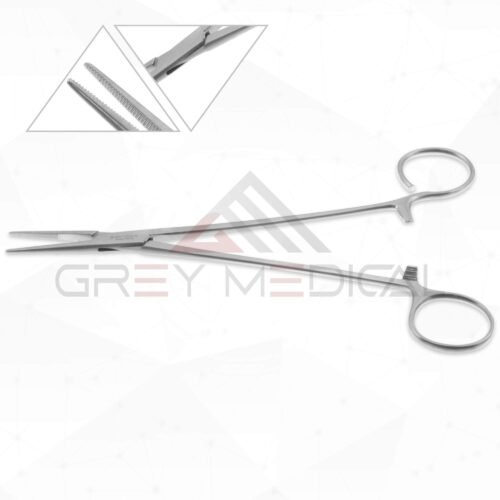
Schnidt tonsil forceps are specialized surgical instruments commonly associated with tonsil surgery and related procedures involving soft tissue and blood vessels. Their design generally features elongated handles, narrow jaws, and a ratchet locking mechanism that allows the instrument to maintain its grasp when engaged. Consequently, they provide surgeons with a practical instrument for controlled clamping in surgical environments.
Moreover, these forceps are designed to support access to specific areas of the throat during surgical procedures. Their elongated structure allows medical professionals to handle tissues within confined surgical spaces. Depending on the particular pattern, the instrument may feature straight or curved jaws to accommodate different surgical requirements.
Design and Features of Schnidt Tonsil Forceps
The construction of Schnidt tonsil forceps focuses on functionality, precision, and durability. Typically, manufacturers produce these instruments from surgical-grade stainless steel, which offers strength, corrosion resistance, and suitability for repeated sterilization when properly maintained. Furthermore, the material supports long-term instrument performance in demanding clinical environments.
The jaws commonly feature serrations that help provide a secure grip on the material being clamped. Additionally, the ratchet mechanism allows the user to maintain the selected jaw position without continuously applying pressure to the handles. This locking feature can help support controlled instrument handling during procedures.
Many patterns also incorporate finger-ring handles, which allow surgeons to manipulate the instrument with stability. Meanwhile, the narrow jaw structure helps accommodate the instrument’s intended surgical applications. The specific jaw shape, length, and curvature may vary according to the model.
Because instrument designs differ among manufacturers, healthcare professionals should review the instrument specifications before selecting schnidt tonsil forceps for a particular surgical setting.
Applications in Tonsil and ENT Procedures
Schnidt tonsil forceps are primarily associated with tonsil surgery, where surgical teams require instruments designed for tissue grasping and clamping. Their narrow profile and locking mechanism make them a recognizable choice within specialized ENT instrument collections.
During surgical procedures, instrument selection depends on the surgeon’s technique, the anatomical area, and the requirements of the operation. Therefore, healthcare professionals should choose instruments according to established surgical protocols and their intended applications.
In addition, ENT procedures often require carefully organized instrument trays containing instruments with different functions. Forceps, retractors, scissors, suction instruments, and other specialized tools may form part of the surgical setup. Consequently, proper instrument identification and organization help support a structured surgical workflow.
Benefits of Proper Instrument Selection
Selecting the appropriate surgical instrument is important for maintaining an organized and efficient surgical environment. First, the narrow design of Schnidt-pattern forceps can support access to specific surgical areas. Second, the locking mechanism helps maintain the selected clamping position. Furthermore, the serrated jaws may support a controlled grasp when the instrument is appropriately used.
However, instrument selection should always reflect the procedure, professional training, and established clinical standards. Surgeons and healthcare professionals should assess the instrument’s design, condition, and intended application before use.
Moreover, inspecting surgical instruments before procedures can help identify defects, worn components, or damaged jaws. As a result, regular inspection and proper instrument management can support responsible surgical practices.
Cleaning, Sterilization, and Maintenance
Proper maintenance plays an important role in preserving the functionality and durability of surgical instruments. After use, healthcare professionals should follow validated cleaning and sterilization procedures established by their facility and the instrument manufacturer.
First, staff should remove visible debris according to approved cleaning protocols. Next, they should inspect the instrument’s jaws, ratchet, handles, and alignment. Additionally, healthcare facilities should process reusable instruments using appropriate sterilization methods and manufacturer instructions.
Regular maintenance can help prevent corrosion, mechanical damage, and unnecessary wear. Therefore, surgical teams should store instruments carefully, handle them appropriately, and remove damaged instruments from service when necessary.
Grey Medical® and Surgical Instrument Quality
Grey Medical® is a privately owned medical technology company dedicated to innovation and excellence in the craft of surgical instrument. The company emphasizes the importance of quality, precision, and reliable instrument design for medical professionals and healthcare facilities.
Choosing surgical instruments requires careful consideration of material quality, construction, design, and intended functionality. Furthermore, healthcare professionals and purchasing teams should evaluate instrument specifications to ensure that the selected products meet their professional requirements.
When evaluating kocher surgical instrument buyers should consider jaw design, instrument length, material, locking mechanism, maintenance requirements, and suitability for the intended clinical setting. These factors can help support informed purchasing decisions and effective surgical instrument inventory management.
Conclusion
Schnidt tonsil forceps are specialized instruments associated with tonsil and ENT surgical procedures. Their elongated design, serrated jaws, and locking mechanism contribute to their practical clamping functionality. Moreover, appropriate instrument selection, inspection, cleaning, and maintenance help support responsible instrument management. By understanding the design and characteristics of schnidt tonsil forceps, healthcare professionals can make informed decisions when selecting and organizing surgical instruments for clinical environments.