Michel
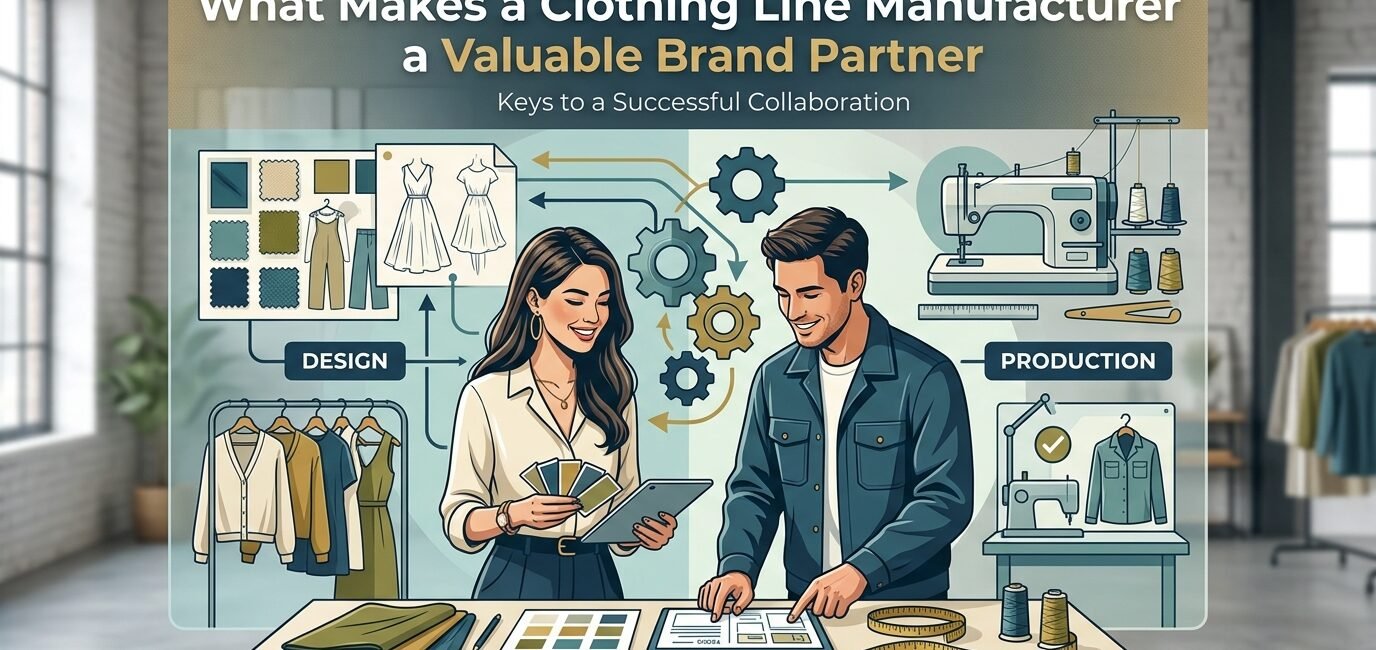
For a growing fashion brand, choosing a manufacturing partner is about far more than finding a factory that can produce garments at an acceptable price. The right manufacturer becomes an extension of the brand itself, influencing product quality, customer satisfaction, delivery reliability, margins, and the ability to respond when demand changes.
Fashion businesses operate in an environment where customer expectations are high and competition is relentless. A compelling design can attract attention, but inconsistent stitching, unreliable sizing, poor materials, or missed delivery windows can quickly undermine that initial appeal. This is why the relationship between a brand and its manufacturing partner deserves strategic attention from the beginning.
A valuable manufacturing partner contributes expertise throughout the product lifecycle. From fabric selection and sampling to production planning and quality assurance, the manufacturer should help turn creative concepts into commercially viable products while protecting the standards that define the brand.
Manufacturing Should Be a Strategic Relationship
A basic supplier waits for specifications and produces what has been ordered. A strong brand partner takes a more proactive role. Experienced manufacturers can identify potential production challenges before they become expensive problems, suggest construction improvements, and help teams understand how particular materials, trims, or finishing techniques will behave during manufacturing.
This distinction becomes especially important as an apparel company moves beyond its first product launches. Early-stage brands may manage a handful of styles, while established labels often coordinate multiple collections, colorways, sizes, materials, and sales channels simultaneously. Manufacturing complexity grows alongside the business.
A capable partner can bring structure to that complexity through:
- Detailed production planning and capacity management
- Consistent sourcing of fabrics, trims, hardware, and packaging
- Pre-production sampling and technical review
- Documented quality-control procedures
- Reliable communication throughout the manufacturing cycle
- Flexible production capabilities for repeat orders and new collections
The goal is not simply to produce more units. It is to create a dependable operating system that allows the brand to grow without sacrificing the qualities customers already associate with it.
Quality Control Protects Brand Equity
Product quality is one of the clearest indicators of whether a manufacturer is truly valuable to a brand. Customers rarely distinguish between a design problem and a manufacturing problem. If a zipper fails, a seam separates, or a garment changes shape after washing, the consumer typically blames the brand.
That makes quality assurance a commercial issue rather than merely a factory-floor concern. Effective quality control should begin before bulk production starts. Technical specifications need to be understood, materials need to be checked, and samples should be evaluated against the intended design.
During production, inspection procedures can help identify defects before an entire batch reaches a warehouse. Depending on the product, manufacturers may evaluate measurements, seam construction, color consistency, hardware performance, stitching, labeling, packaging, and overall workmanship.
A useful quality framework should answer several practical questions:
- What constitutes a major versus minor defect?
- When are samples inspected?
- How are production deviations documented?
- Who approves pre-production samples?
- What happens when a batch fails the agreed quality requirements?
When these expectations are established before production begins, both sides have a clear reference point. This reduces misunderstandings and gives the brand greater confidence that every shipment will meet the required standard.
Scalability Matters as Much as Initial Quality
A manufacturer may produce an excellent first collection and still prove unsuitable for a fast-growing brand if it cannot increase capacity when demand rises. Scalability is therefore one of the most important characteristics to evaluate before committing to a long-term relationship.
Consider what happens when a product unexpectedly becomes a bestseller. A brand may need additional inventory quickly, while the manufacturer is already managing other customers and scheduled production runs. If the factory lacks flexible capacity, the brand can lose sales simply because it cannot replenish inventory quickly enough.
The best manufacturing relationships account for these scenarios in advance. Brands should discuss minimum order quantities, production capacity, lead times, reorder processes, material availability, and seasonal constraints before signing off on large-scale production.
Scalable production can also support controlled experimentation. Instead of committing excessive capital to every new concept, a brand can test selected styles, analyze customer response, and then increase production for proven winners. This approach can reduce unnecessary inventory exposure while creating a more responsive product-development cycle.
Accessories Can Expand the Brand Ecosystem
Apparel does not have to be the only category through which a fashion brand expresses its identity. Complementary accessories can extend a collection into products that customers use throughout their daily lives.
Cross-category expansion is particularly attractive because many accessories avoid the fit-related complications associated with clothing. A consumer deciding whether to purchase a jacket may consider sleeve length, chest measurements, body shape, and preferred fit. An accessory generally has fewer such barriers, making it easier to merchandise and purchase.
For brands targeting commuters, travelers, students, and everyday lifestyle consumers, bulk cross body bags can complement apparel collections while adding practical utility. Designs can be aligned with a brand’s existing color palette, visual identity, materials, and hardware choices.
From a merchandising perspective, complementary accessories can also create useful product combinations. A customer purchasing outerwear, for example, may be receptive to a coordinating bag. These pairings can increase basket size while giving customers more ways to interact with the brand.
Product Development Expertise Creates Added Value
One of the strongest signs of a valuable manufacturer is the ability to contribute during development rather than simply execute finished instructions. Product development involves numerous decisions that affect both appearance and manufacturing efficiency.
A manufacturer may help evaluate whether a particular fabric is suitable for a construction method, whether a seam design is practical at scale, or whether a hardware component will withstand expected use. Small changes made during development can sometimes prevent significant production issues later.
Technical packs are particularly important. A comprehensive specification package can include measurements, construction details, material requirements, color references, labeling instructions, stitching information, and finishing requirements. The clearer these specifications are, the less room there is for interpretation.
Sampling then provides an opportunity to test those specifications in physical form. Brands should assess samples for appearance, fit, comfort, durability, construction, and functionality before approving production.
Materials and Construction Influence Perceived Value
Consumers may not know the technical terminology behind a garment or accessory, but they can usually recognize when something feels well made. Fabric hand feel, stitching consistency, hardware quality, lining, closures, and structural integrity all contribute to perceived value.
This is where a manufacturer’s sourcing network can become an important competitive advantage. Access to dependable textile suppliers, trim vendors, hardware producers, and finishing specialists can give brands more options during product development.
For accessory programs, material selection should be matched to intended use. A fashion-focused product may prioritize appearance and lightweight construction, while a commuter-oriented product may require abrasion resistance, reinforced stress points, protective padding, or weather-resistant materials.
That same principle applies across an apparel collection. The most attractive material is not necessarily the most appropriate one. A valuable manufacturer helps the brand balance aesthetics, durability, manufacturability, cost, and customer expectations.
Tote Bags Can Become Practical Brand Touchpoints
Some products remain commercially relevant because they solve a simple problem exceptionally well. Tote bags are a strong example. They can serve as everyday shopping bags, work accessories, travel companions, event merchandise, or fashion pieces depending on their construction and design.
For brands looking to develop a cohesive accessory collection, bulk tote bags can provide a practical foundation for a high-volume product category. Branding can be incorporated through printed artwork, woven labels, embroidery, material choices, custom hardware, or other finishing details.
However, volume should never come at the expense of usability. A tote intended for regular use needs appropriate handle construction, sufficient fabric strength, durable seams, and a design that can withstand the weight it is expected to carry.
For a fashion label, this creates an opportunity to turn an everyday utility product into a recognizable brand asset. A thoughtfully designed tote can appear in offices, stores, campuses, airports, and city streets, extending brand visibility far beyond the original point of purchase.
Communication Is an Operational Advantage
Even an experienced factory cannot eliminate every challenge from the manufacturing process. What separates strong partnerships from frustrating ones is often the way problems are communicated and resolved.
Brands should look for manufacturing teams that provide clear updates rather than forcing the client to repeatedly request information. Communication should cover sampling, material procurement, production progress, quality concerns, shipping schedules, and any changes that could affect the final delivery.
Clear communication is especially valuable when timelines are tight. If a material becomes unavailable, a production line experiences a delay, or a specification needs clarification, early notification gives the brand more time to make a decision.
A strong relationship therefore depends on more than email responsiveness. It requires shared processes, clearly assigned responsibilities, documented approvals, and a willingness to address problems directly.
Technology and Functionality Are Reshaping Accessories
The boundary between fashion and everyday technology has become increasingly fluid. Consumers carry laptops, tablets, chargers, headphones, documents, and other electronic equipment alongside their clothing and personal belongings.
That creates opportunities for apparel brands to develop products that combine their aesthetic language with practical technology-focused functionality. A professional accessory can reinforce a brand’s identity while solving a genuine daily need.
Brands entering this category need to pay attention to protection and ergonomics. Padding, compartment design, strap construction, closure systems, lining materials, and weight distribution all influence the user experience.
Specialized suppliers of bulk laptop bags can support brands seeking to develop technology-oriented accessories at commercial volumes. When the design complements an existing apparel collection, the result can feel like a natural extension of the brand rather than an unrelated product.
How to Evaluate a Potential Manufacturing Partner
Before selecting a manufacturer, brand managers should evaluate the relationship from both a product and business perspective. The lowest quoted unit price does not necessarily represent the lowest total cost. Rework, defective inventory, missed launches, communication delays, and inconsistent quality can create expenses that are not visible in the initial quotation.
| Evaluation Area | What to Examine | Why It Matters |
|---|---|---|
| Quality | Sampling, inspections, defect controls, and consistency | Protects customer satisfaction and brand reputation |
| Capacity | Production volume, lead times, and reorder flexibility | Supports growth and demand fluctuations |
| Communication | Responsiveness, reporting, and issue escalation | Reduces surprises during production |
| Product Development | Technical expertise and sampling support | Helps convert concepts into manufacturable products |
| Category Range | Apparel and complementary product capabilities | Can simplify sourcing as the brand expands |
| Commercial Fit | Minimum orders, pricing structure, and payment terms | Helps protect cash flow and profitability |
The assessment should also consider whether the manufacturer’s capabilities align with the brand’s long-term roadmap. A supplier that works for a small capsule collection may not be the right partner for an international expansion strategy.
A Practical Production Workflow for Growing Brands
Once a manufacturer has been selected, a disciplined workflow can help turn the relationship into a repeatable advantage.
- Define the product requirements. Establish the intended customer, use case, materials, measurements, construction details, branding elements, packaging, and target commercial price.
- Prepare detailed technical documentation. Give the production team clear specifications rather than relying on verbal descriptions or visual references alone.
- Review development samples. Test the product physically and record required changes before approving bulk production.
- Confirm production and quality expectations. Agree on quantities, timelines, inspection standards, labeling, packaging, and approval checkpoints.
- Monitor production. Maintain communication during manufacturing so potential issues can be identified before the finished goods are shipped.
- Analyze the finished collection. Review defect rates, sales performance, customer feedback, returns, and reorder demand to improve future production cycles.
This process turns manufacturing from a transactional activity into an ongoing feedback loop. Each production cycle can generate information that improves the next collection.
Ethical Practices and Supply Chain Transparency
Modern brand partnerships increasingly involve questions about how products are made, not simply what they cost. Consumers, retailers, and corporate buyers may all expect greater visibility into labor practices, material sourcing, environmental considerations, and factory standards.
Brands should therefore ask potential manufacturers for clear information about their production practices and applicable compliance procedures. Documentation and transparency can be especially important for companies selling through retailers or corporate procurement programs with formal supplier requirements.
Responsible manufacturing can also become part of a brand’s broader reputation strategy. When operational practices align with the values communicated in marketing, the company is better positioned to build credibility with increasingly informed customers.
Why Long-Term Partnerships Often Outperform Constant Switching
Changing manufacturers may appear attractive when another supplier offers a lower quotation, but frequent switching can create hidden costs. New factories must learn product specifications, quality expectations, communication preferences, packaging requirements, and brand standards.
With a stable partner, knowledge accumulates. Production teams become familiar with recurring materials and construction methods. They can identify common issues more quickly, understand the brand’s quality expectations, and potentially streamline future development.
Long-term collaboration does not mean brands should stop evaluating performance. Instead, it means performance should be measured continuously. Lead-time reliability, defect rates, responsiveness, production flexibility, and commercial outcomes can all be reviewed regularly.
The ideal relationship is mutually accountable: the manufacturer receives clear specifications and realistic forecasts, while the brand receives reliable production, honest communication, and consistent quality.
Frequently Asked Questions (FAQs)
What makes a clothing line manufacturer a valuable brand partner?
A valuable manufacturer combines production capability with quality assurance, communication, product-development expertise, scalability, and dependable sourcing. The partner should help the brand solve manufacturing challenges rather than simply execute purchase orders.
Why is quality control important for apparel brands?
Customers generally hold the brand responsible for product defects regardless of where those defects originated. Strong quality-control procedures help maintain consistency and reduce the risk of defective inventory reaching consumers.
Should apparel brands expand into accessories?
Accessories can complement apparel collections, create additional revenue opportunities, increase average order value, and provide customers with more ways to engage with a brand. The strongest accessory programs remain consistent with the brand’s overall identity.
What should brands discuss with manufacturers before production?
Important topics include product specifications, materials, quantities, minimum order requirements, sampling, quality standards, production timelines, packaging, labeling, communication procedures, and the process for handling changes or defects.
How can a manufacturer support long-term brand growth?
A capable partner can support growth through scalable production, repeat-order flexibility, technical expertise, reliable sourcing, quality consistency, and the ability to develop complementary product categories as the brand expands.
Build a Manufacturing Partnership That Supports Your Next Stage of Growth
The most valuable clothing manufacturer is not necessarily the one with the lowest initial quotation. It is the partner capable of consistently translating brand ideas into products that customers want, while providing the quality, communication, flexibility, and operational discipline needed to grow.
For ambitious apparel businesses, that distinction matters. A dependable manufacturing relationship can reduce operational friction, protect brand equity, support new product categories, and give creative teams the confidence to pursue larger opportunities.
Evaluate prospective manufacturers as strategic partners rather than interchangeable suppliers. Look closely at their quality systems, development capabilities, communication processes, scalability, and ability to support your broader product vision. Then choose the relationship that can help your brand deliver consistently today while preparing for what comes next.
Ready to strengthen your apparel production strategy? Explore manufacturing capabilities, evaluate your product roadmap, and choose a production partner equipped to help your brand turn strong ideas into dependable, market-ready collections.